
Reviewed · DESSERT TOURS
Cacao Plantation and Chocolate Factory Tour- Classic
The most interesting part of this Dominican Republic tour is watching cacao move from plant to chocolate bar. You learn how to sow a cacao tree, open a ripe pod, remove its beans, and prepare them through fermentation and drying before entering La Esmeralda Chocolate Factory to make chocolate yourself.
I like the clear connection between farming and food, and I like that lunch is part of the visit rather than an afterthought. The chocolate tasting also has a useful purpose: an expert guide shows you how to use sight, smell, taste, and texture instead of simply handing you a sweet sample.
The main consideration is transport. If you need a ride, a long drive may be involved, and one reported return trip included an unscheduled stop. The timing also needs checking, since the experience is described as roughly two and a half to three and a half hours in different places.
In This Review
- Key points to know before booking
- From cacao seed to ripe pod at El Sendero del Cacao
- Why the Dominican climate matters to cacao
- Inside La Esmeralda Chocolate Factory
- A tasting that asks you to slow down
- Dominican buffet lunch and local hot chocolate
- How much time should you allow?
- The $60 price and what it covers
- Language, clothing, and group size
- Who will enjoy this cacao tour most?
- Practical booking advice
- Should you book the Classic cacao tour?
- FAQ
- Where does the cacao tour begin?
- What time does the tour start?
- How long does the tour last?
- Does the tour include transportation?
- Where does the tour end?
- Is lunch included?
- Is a vegetarian meal available?
- Can children join the tour?
- What should I wear?
- Can I cancel for a full refund?
Key points to know before booking
- You see the whole cacao process: From sowing and harvesting to fermentation, drying, and factory production.
- You make your own chocolate bar: The hands-on portion gives the visit more purpose than a simple plantation walk.
- The tasting is guided: A chocolate expert explains how to judge chocolate with all your senses.
- Lunch is included: Expect a traditional Dominican buffet and a cup of local hot chocolate.
- Joyce may lead the workshop: One particularly praised guide helped make the chocolate-making session fun and easy to follow.
- Plan for a smart dress code: Jeans, sportswear, joggers, and sneakers are not accepted.
From cacao seed to ripe pod at El Sendero del Cacao
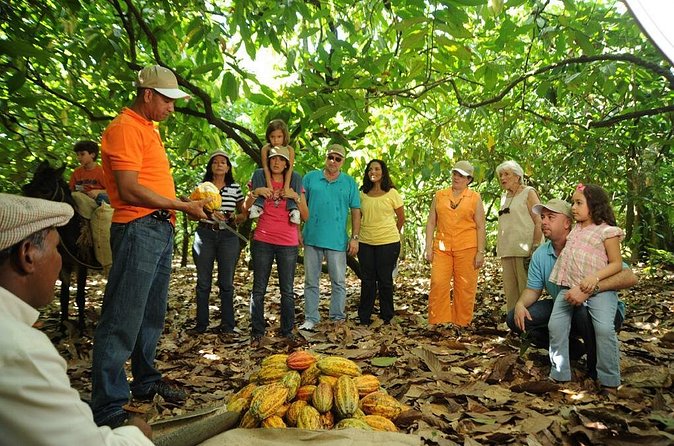
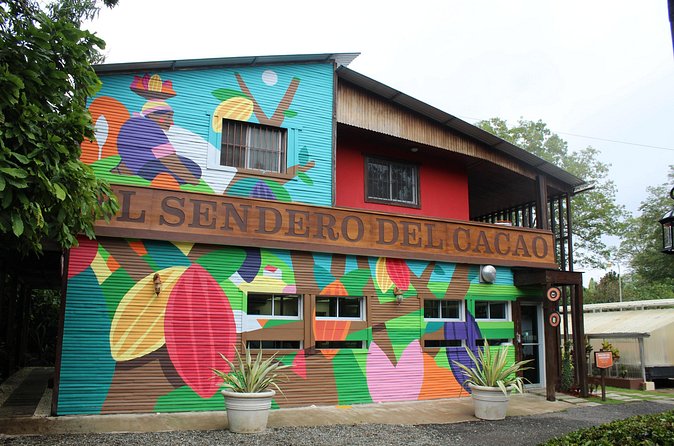
The tour begins at El Sendero del Cacao in Las Pajas, near San Francisco de Macorís. This is the part that gives the factory visit meaning. Instead of treating chocolate as a finished product, you start with the plant and follow the work step by step.
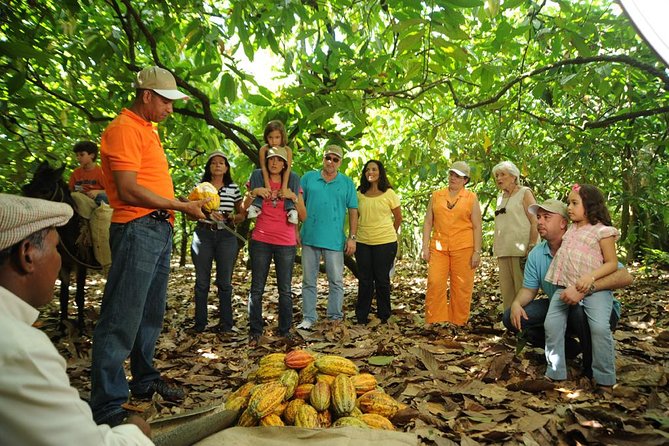
A local cacao guide explains sowing and shows you how to plant a cacao tree. That small detail matters. Cacao production depends on patience, careful growing conditions, and a long chain of work that is easy to miss when you only see a wrapped bar in a shop.
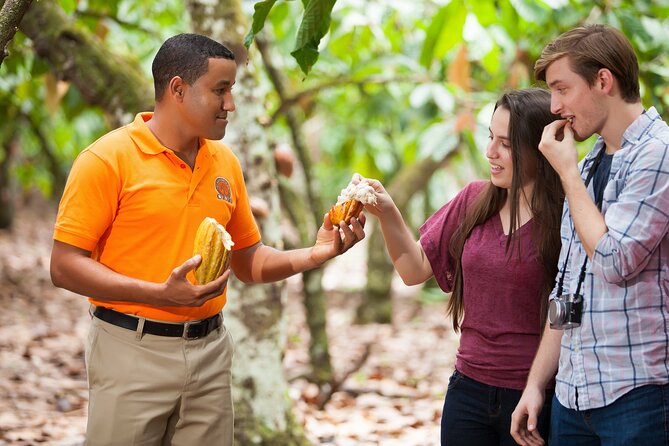
You then learn about harvesting. Cacao grows inside pods, and the beans must be cut out of the fruit before they can become chocolate. You may get to handle a fresh cacao fruit, and fresh cacao pulp is worth trying because it is sweet and fruity, quite different from the roasted chocolate flavor you know.
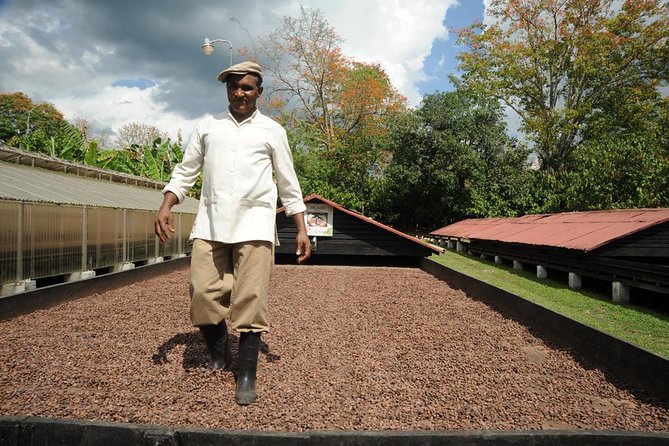
The visit also covers the post-harvest work. The beans are fermented and dried, two steps that shape the final flavor. This is useful context for the tasting later. Chocolate flavor does not appear by magic at the factory. It begins with how the beans are handled after the pod is opened.
More chocolate and dessert stops in Dominican Republic:
- 4×4 Dominican Adventure with Chocolate and Coffee Tasting
★ 5.0 · 2,920 reviews - 4×4 ATV Experience, Water Cave, Chocolate and Coffee Tasting
★ 5.0 · 1,430 reviews - Buggy Adventure Tour with Chocolate and Coffee in Punta Cana
★ 5.0 · 953 reviews
Why the Dominican climate matters to cacao
The guide also explains the local ecosystem and why the Dominican Republic can produce fine cacao. You are not simply looking at rows of plants. You are learning how the growing environment supports the crop and how farming choices affect the quality of the beans.
The organic approach is an important part of the visit. It gives you a chance to think about cacao as an agricultural product, not just a luxury treat. The tour does not require a technical background, and the information is presented for ordinary chocolate lovers who want to understand what they are eating.
Expect some walking and standing on the plantation. The stated requirement is a moderate level of physical fitness, so this may not suit anyone looking for a fully seated activity. Children are welcome, but they must be accompanied by an adult.
Inside La Esmeralda Chocolate Factory
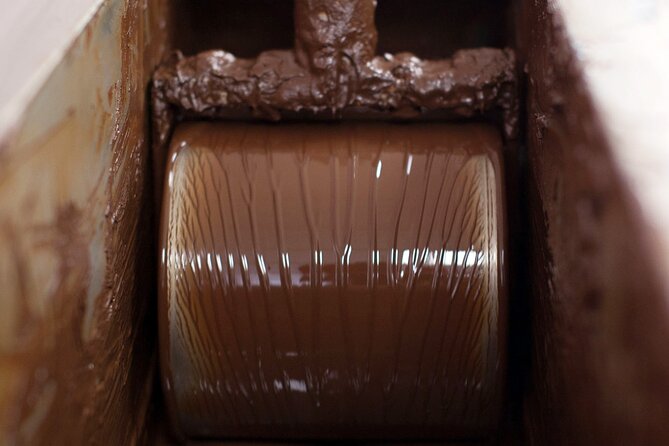
After the plantation section, you enter La Esmeralda Chocolate Factory. Here, the focus shifts from agriculture to production. You follow the stages needed to turn prepared cacao into a finished bar.
The factory portion is valuable because it connects the practical work outdoors with the controlled steps indoors. You can see how the beans become a product that can be shaped, flavored, and enjoyed. The visit is not only a demonstration. You also get to make your own chocolate.
That hands-on session is one of the best reasons to choose this tour over a basic plantation stop. You are given a task rather than asked to watch from the side. Joyce received special praise for helping with this part, and her friendly approach appears to make the workshop comfortable for people who have never made chocolate before.
Do not expect a professional pastry course. This is a guided activity designed for a broad audience. Its appeal comes from the simple pleasure of making something yourself and then having a direct connection to the cacao process you just learned about.
A tasting that asks you to slow down
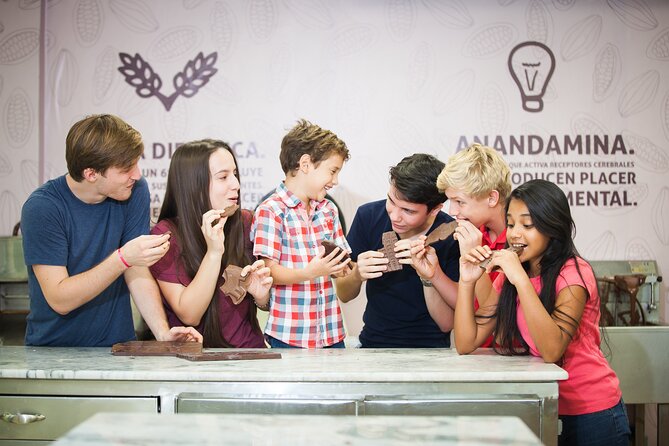
The chocolate tasting is led by a chocolate expert who explains how to experience the samples with all your senses. That means paying attention to appearance, aroma, flavor, and texture instead of eating each piece in a hurry.
I like this format because it turns tasting into a lesson. You can compare different types of chocolate and notice how they differ. The tasting should also help you understand why fermentation and drying matter, since those earlier steps affect what you smell and taste in the finished product.
The tasting is likely to appeal most to people who enjoy food-focused activities and want more than a few free samples. If you prefer fast sightseeing with little explanation, this section may feel slow. The value comes from giving the chocolate your attention.
Somewhere else in the Dominican Republic, a completely different day:
- Adventure Bundle: Monkeyland, Ziplines & Buggies Punta Cana
★ 5.0 · 10,715 reviews - Private Airport Punta Cana to La Romana Bayahibe or Casa de Campo Resort Area
★ 5.0 · 6,662 reviews - Punta Cana Zipline Adventure with Buggies and Horseback Riding
★ 5.0 · 5,001 reviews - Full-Day Santo Domingo City Tour from Punta Cana
★ 4.5 · 4,500 reviews
Dominican buffet lunch and local hot chocolate
Lunch is included in the experience. You sit down for a traditional Dominican buffet, followed by a cup of local hot chocolate. This helps make the visit feel like a full cultural outing rather than a factory tour that ends as soon as the tasting is over.
The available information describes the lunch as good, and one visitor specifically praised both the meal and the friendly staff. A vegetarian option is available, but you need to request it when booking. Do not wait until you arrive if you need that choice.
The hot chocolate is a fitting finish. After seeing cacao in its raw form and tasting chocolate in several styles, you get to enjoy it as a warm drink. It is a small detail, but it ties the meal back to the main theme.
How much time should you allow?
The start time is 10:30 a.m. at El Sendero del Cacao. The published timing is not fully consistent: one description gives about two hours and thirty minutes, another says three and a half hours, and the detailed schedule lists three hours.
I would plan for a half-day commitment rather than trying to fit in another tightly scheduled activity immediately afterward. You need time for the plantation, the factory, the chocolate-making session, tasting, lunch, and the return to the meeting point.
The tour ends back at the starting point. If you arrange transportation, allow extra time beyond the activity itself. One account described a drive of about two hours each way and noted that the driver did not speak English. That issue did not concern the plantation or factory staff, but it could affect your day if you want commentary during the ride.
If transportation is available as an option when you book, confirm exactly what is included. Ask about pickup location, language support, and expected driving time before paying for the transfer. A driver who points out sights without explaining them can make a long road journey feel longer.
The $60 price and what it covers
At $60 per person, the price is reasonable if you want several elements in one outing. You receive a local guide, the plantation and factory visit, chocolate tasting, chocolate-making activity, buffet lunch, and hot chocolate. Transportation may be included if you select that option, so check the total before booking.
The value depends on what you would otherwise arrange separately. A simple factory visit would usually offer less contact with farming, while a separate meal and tasting would add cost and planning. Here, the day has a clear food-and-agriculture theme from start to finish.
The price is less attractive if you are mainly looking for a quick photo stop or a short tasting. The drive can also change the calculation. If you are staying far from San Francisco de Macorís, the time spent on the road may be a bigger issue than the ticket price.
The high rating and full recommendation figure suggest strong satisfaction, but the sample is small, with 25 ratings. I would treat that as encouraging rather than proof that every departure will be perfect. The strongest praise focuses on the informative format, friendly staff, chocolate-making, and lunch.
Language, clothing, and group size
The guide may be multilingual, but language support is not guaranteed in a specific language. If you need English instruction, confirm that before booking. This is especially important if you are arranging your own transport, since the driver may not speak English even if the guide does.
The dress code is unusually formal for a plantation visit. Smart clothing is required, and jeans, sportswear, joggers, and sneakers are specifically excluded. Choose neat, comfortable clothing that allows moderate walking while meeting the stated rule.
The activity can accept up to 300 people. That is a large possible group, although the actual size on your date is not stated. If you want a quiet, intimate agricultural visit, ask about the expected group size before booking. A larger group may make the factory demonstration and chocolate workshop feel less personal.
A mobile ticket is provided, which makes entry simple. Confirmation arrives at booking, and the experience requires a minimum number of participants. If that minimum is not met and the operator cancels, you are offered another date or experience, or a full refund.
Who will enjoy this cacao tour most?
I would recommend this experience to food lovers, families with older children, and anyone interested in how Dominican products are made. The mix of outdoor learning, factory production, tasting, and lunch gives the day enough variety to keep it moving.
It also suits visitors who want a cultural activity beyond beaches and resort facilities. You see an important local crop, learn about the work behind it, and eat a Dominican meal in the same outing.
Children may enjoy opening cacao pods and making chocolate, but adults must accompany them. The moderate fitness requirement and smart dress code are worth taking seriously. This is not a poolside activity, and sneakers are not allowed.
I would be more cautious if you have limited time in the Dominican Republic or dislike long road transfers. The plantation and factory content sounds worthwhile, but the total day can feel much longer once transportation is added.
Practical booking advice
Book at least several days ahead if your schedule is fixed. The average booking point is 16 days before the experience, which suggests that leaving it until the last minute may not be wise during busy periods.
Confirm four things before you finalize the reservation:
- Whether transportation is included or costs extra
- The expected total duration, including any transfer
- The language of the guide and driver
- The vegetarian meal request, if needed
You can cancel for a full refund up to 24 hours before the start time. Cancellations or changes made less than 24 hours before the start are not refunded or accepted. The cut-off uses local time.
Should you book the Classic cacao tour?
Book it if you want a practical look at Dominican cacao, not just a sweet tasting. The strongest parts are the full farm-to-factory sequence, the chance to make chocolate, and the included Dominican buffet with hot chocolate.
Think twice if your priority is a small group, a short activity, or a guaranteed English-speaking driver. The possible long transfer and group size of up to 300 are the main cautions.
For most food-focused visitors, the $60 price offers a fair package. Wear smart clothes, allow half a day, confirm transport and language details, and arrive ready to taste cacao in forms you may not have tried before.
FAQ
Where does the cacao tour begin?
It begins at El Sendero del Cacao in Las Pajas, San Francisco de Macorís, Dominican Republic.
What time does the tour start?
The scheduled start time is 10:30 a.m.
How long does the tour last?
The duration is described as approximately two hours and thirty minutes, three hours, or three and a half hours in different tour details. Plan for about half a day and confirm the timing when booking.
Does the tour include transportation?
Transportation is included only if you choose that option when booking.
Where does the tour end?
The activity ends back at the meeting point.
Is lunch included?
Yes. The tour includes a traditional Dominican buffet lunch and a cup of local hot chocolate.
Is a vegetarian meal available?
Yes. A vegetarian option is available, but you must advise the operator when booking.
Can children join the tour?
Yes. Children can participate, but they must be accompanied by an adult.
What should I wear?
Smart clothing is required. Jeans, sportswear, joggers, and sneakers are not accepted.
Can I cancel for a full refund?
Yes. You can cancel at least 24 hours before the local start time for a full refund. Changes or cancellations made less than 24 hours before the start are not accepted or refunded.
Just added around Dominican Republic
- The 7 Hidden Beaches In Samaná & Las Galeras★ 4.0 · 6 reviews
- Puerto Plata: Buggy Adventure with Local Guide★ 4.7 · 6 reviews
- Transportation from PUJ Airport to Bavaro and Punta Cana★ 5.0 · 6 reviews
- Private Boat Nature Tour of Saona Island★ 5.0 · 6 reviews
- Full day tour to samana bay from punta cana★ 4.0 · 6 reviews
- Souvenirs of Rancho Real cigars★ 5.0 · 6 reviews
- Private Airport Transfer to/from Punta Cana Airport and La Romana★ 4.5 · 6 reviews
- Secrets Royal Beach – Round Trip Shuttle – Punta Cana Airport★ 5.0 · 6 reviews
Dessert Tours, compared.
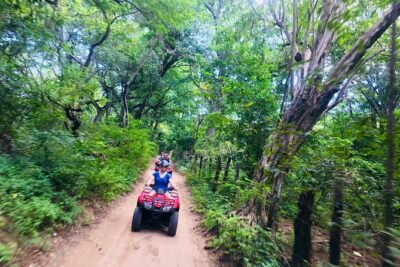
4×4 Dominican Adventure with Chocolate and Coffee Tasting
Read our review →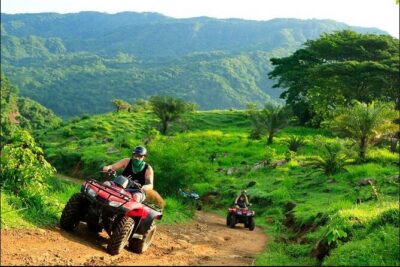
4×4 ATV Experience, Water Cave, Chocolate and Coffee Tasting
Read our review →
Buggy Adventure Tour with Chocolate and Coffee in Punta Cana
Read our review →
Buggy Ride Into the jungle with cave coffee & chocolate tasting
Read our review →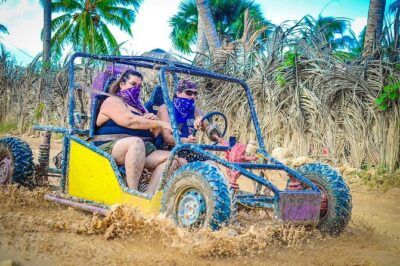
Road Off Half Day Buggy with Chocolate and Coffee Tasting
Read our review →
ATV Adventure w/ Chocolate, Coffee & Cave Swim in Punta Cana
Read our review →
Puerto Plata Private City Tour with Mount Isabel & Rum &Chocolate
Read our review →
Browse the lists this tour appears in