Reviewed · PUNTA CANA TOURS
Caribbean Lobster
Caribbean lobster is the star here, but the real treat is learning how several Dominican ingredients fit together in one meal. At Oliver Lab by Taino Gourmet, you cook with lobster, shrimp, lambí, plantain, and yuca, then sit down to eat what you helped prepare.
I like the hands-on format, which gives you more than another resort dinner, and I like the relaxed mix of cooking, rum tasting, and local food lessons. Guides including Rudy, Ruth, and Francesca have been praised for being warm and patient, especially with families. One concern is that the class may not always feel equally hands-on: some participants found much of the food already prepared, with the chef controlling the cooking.
In This Review
- Key points at a glance
- Why a Punta Cana cooking class can be worth your evening
- Hotel pickup makes the 2:30 pm start simple
- Meeting the seafood: lobster, shrimp, and lambí
- How hands-on is the cooking?
- Rudy, Ruth, and Francesca bring different strengths
- Rum, dessert, and the meal you helped make
- Is $125 a fair price?
- Who will enjoy this best?
- Should you book the Caribbean Lobster class?
- FAQ
- Where does the Caribbean Lobster cooking class take place?
- What time does the experience start?
- How long does the activity last?
- Is hotel transportation included?
- What seafood is used in the cooking class?
- Is dinner included?
- Do I need cooking experience?
- Can children attend?
- How many people can join the class?
Key points at a glance
- Three kinds of seafood: Prepare a meal built around Caribbean lobster, shrimp, and lambí, with plantain and yuca.
- Guides may vary: Rudy, also spelled Ruddy in some accounts, Ruth, and Francesca have led sessions, and the activity may use a multilingual guide.
- Dinner is part of the class: You eat the food you make, with dessert and two alcoholic drinks included.
- Useful resort escape: Hotel pickup and drop-off let you spend an evening outside an all-inclusive dining room.
- Small enough for instruction: The maximum group size is 18 people, though the amount of individual cooking time can vary.
- Book ahead: The average booking point is 73 days before the activity, a useful sign for planning popular vacation dates.
Why a Punta Cana cooking class can be worth your evening
Punta Cana makes it easy to stay inside a resort bubble. That can be comfortable, but it also means you may leave the Dominican Republic knowing little about the food beyond what appeared on a buffet. This class gives you a practical way to connect a meal with local ingredients and older fishing traditions.
The experience focuses on seafood that feels firmly tied to the Caribbean. Your chef guide explains how Dominican fishers catch lobster, lambí, and shrimp, then uses those ingredients in the cooking session. You also work with plantain and yuca, two staples that help make the meal feel more local than a standard seafood dinner.
I would not treat this as a formal culinary school lesson. It is a short, social activity designed for vacationers, beginners, and families. You will learn by following the chef step by step, but the exact balance between demonstration and hands-on work can depend on the group and the guide.
The current score is 4.4 from nine ratings. That is a positive result, but it is still a small sample. The clearest pattern is that people enjoy the setting, the food, the rum, and the friendly guides. The main warning concerns organization, language, and how much actual cooking you get to do.
More things to do around Punta Cana:
- Adventure Bundle: Monkeyland, Ziplines & Buggies Punta Cana
★ 5.0 · 10,715 reviews - Private Airport Punta Cana to La Romana Bayahibe or Casa de Campo Resort Area
★ 5.0 · 6,662 reviews - Punta Cana Zipline Adventure with Buggies and Horseback Riding
★ 5.0 · 5,001 reviews
Hotel pickup makes the 2:30 pm start simple
The activity starts at about 2:30 pm and lasts roughly three hours. Hotel pickup and drop-off are included, along with a driver or guide and both transfers. That matters in Punta Cana, where getting from a resort to a separate dining venue can be inconvenient or costly if you arrange transportation on your own.
Your afternoon transfer takes you to Oliver Lab by Taino Gourmet. The setting has been described as clean and modern, though one account placed it in a small mall and noted a store walkthrough before the class. That may be part of the evening’s presentation, so expect more than a bare kitchen but less than a grand restaurant setting.
The pickup feature makes this easy to pair with a resort stay. You do not need to give up a full day at the beach, and the activity finishes early enough to leave the rest of the evening open. Still, allow flexibility around the transfer. The published duration is approximate, and hotel pickup times can take longer when several properties are involved.
Children must be accompanied by an adult. The maximum group size is 18, which keeps the class from becoming a giant demonstration, though it is not an intimate private lesson. If you want close access to the stove and plenty of questions answered, tell the operator about that preference when booking.
Meeting the seafood: lobster, shrimp, and lambí
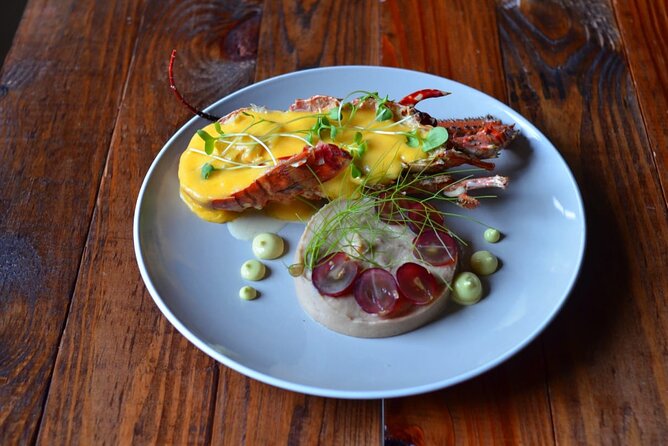
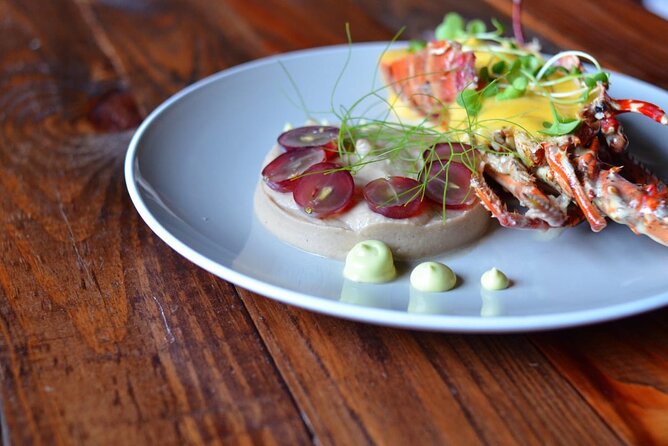
The cooking theme is Caribbean Lobster Delight, but lobster is only one part of the plate. The class uses three types of seafood: lobster, lambí, and shrimp. Lambí is conch, a familiar Caribbean ingredient with a firm texture and a strong connection to coastal cooking.
That combination gives the lesson more range than a single lobster recipe. You get to compare different seafood and see how local cooking uses shellfish in more than one way. The menu also includes typical vegetables such as plantain and yuca, which add starch and texture to the meal.
The exact sequence can vary, but the class is presented as a step-by-step session. Some accounts describe making ceviche, lobster, and mashed potatoes, followed by rum and cheesecake. Those details suggest that the evening may include more than one small preparation, even if the lobster remains the central dish.
I like this approach because it gives you ingredients to recognize later during your stay. Plantain and yuca can appear in Dominican meals in many forms, and knowing what they are makes restaurant menus less intimidating. You are not just eating seafood. You are building a basic food vocabulary for the rest of your trip.
The lobster itself can be uneven in size. One participant found a lobster too small, while another reported that the lobster was overcooked and had not been cleaned before boiling. Those are important points if you are booking mainly for a perfect lobster dinner. This is a cooking class with a lobster meal, not a dedicated high-end seafood tasting.
How hands-on is the cooking?
This is the most important question to ask before booking. The best sessions seem to involve real participation, with the chef explaining techniques and letting you help prepare the meal. Families have enjoyed the format, and one account specifically described a father and sons taking part while the guide explained each step.
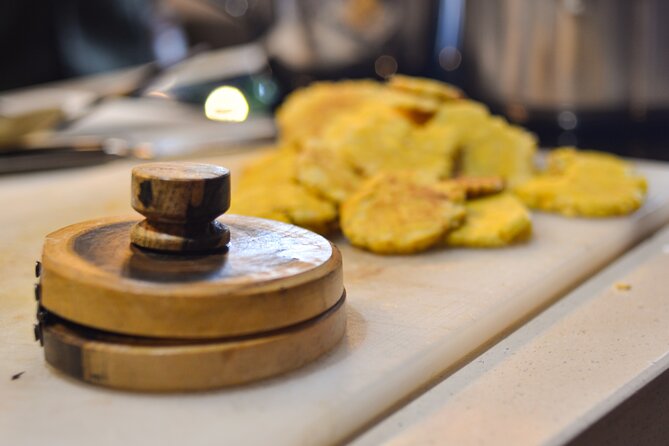
The class includes utensils, so you are not simply watching a chef work. The stated goal is for beginners to follow along, and that makes the experience approachable if you have little kitchen confidence. You do not need to arrive with professional skills.
But the practical experience may vary. One account praised the food and fun while noting that most of the meal had already been prepared. Another found the chef rushed through the lesson and controlled the stovetop, leaving little actual cooking for the participants. If you want a serious lesson in knife work, seafood cleaning, or sauce technique, you may find the class too light.
I would think of the class as guided participation. You may chop, mix, season, or help assemble parts of the meal, while the chef handles the hottest or most delicate cooking. That is common in a short group activity, but it should be clear before you pay $125.
Language can also affect the lesson. The guide may be multilingual, but one participant found the instructions difficult to follow in English and had trouble with European measurements such as kilograms. If you are not comfortable converting measurements or asking for a slower explanation, confirm the language of your session in advance.
Somewhere else in the Dominican Republic, a completely different day:
- Full-Day Santo Domingo City Tour from Punta Cana
★ 4.5 · 4,500 reviews - Punta Cana: Catamaran Boat to Saona Island with Buffet Lunch
★ 4.4 · 3,822 reviews - Monkeyland and Plantation Safari Tour from Punta Cana
★ 5.0 · 3,805 reviews - Punta Cana Dune Buggy Adventure and Amazing Water Cave
★ 4.5 · 3,411 reviews
Rudy, Ruth, and Francesca bring different strengths
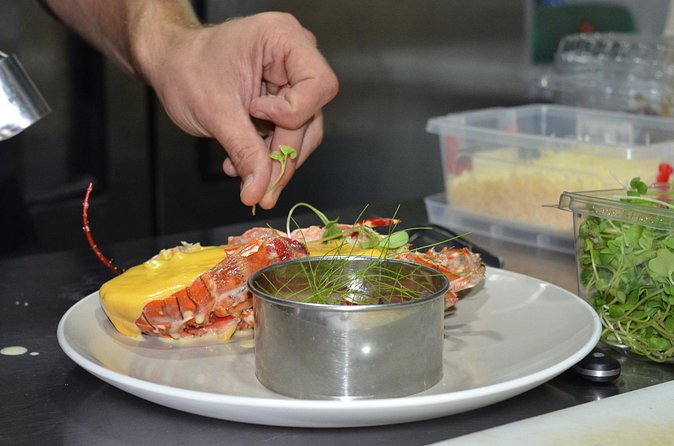
The guide is a major part of this activity. Rudy, also written as Ruddy, has been singled out for making the kitchen welcoming and for teaching a lobster dinner that became a highlight of the week. Ruth has been described as kind and engaging with children, and Francesca has been praised for her patience, humor, and lessons about Dominican food and products.
You may not receive one particular guide. The booking information allows for a multilingual guide, so the staff member and language can change from one date to another. Still, the repeated attention to the guides is a reason to expect a personal tone rather than a silent cooking demonstration.
A good guide can explain why the ingredients matter, keep children involved, and make the rum tasting feel connected to the country rather than tacked on at the end. A weaker session may feel rushed or poorly organized. The small group limit helps, but it cannot guarantee equal attention for everyone.
If you are traveling with children, this can be a good rainy-day option. The activity takes place indoors, includes food preparation, and allows an adult to share the experience with younger family members. Children must remain with an adult, and the alcohol portion is for adults only.
Rum, dessert, and the meal you helped make
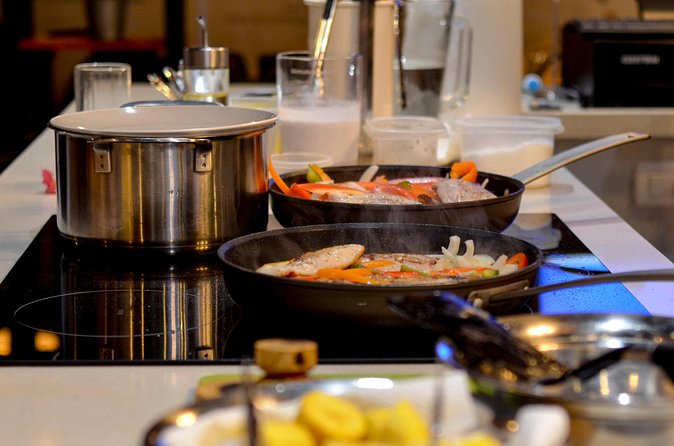
Dinner, beverages, and dessert are included. The experience specifically provides two alcoholic drinks, and the evening includes Oliver rum. A tasting is part of the appeal, with the rum adding a distinctly Dominican note to the meal.
The rum portion has received especially strong praise. It gives you a chance to try a local product in a setting where someone can explain it, rather than ordering an unfamiliar pour at a resort bar. If you do not drink alcohol, the listed inclusions are less valuable to you, so keep that in mind when judging the price.
Dessert is also part of the evening. Cheesecake has been served, though the information does not promise a single fixed dessert every time. The combination of seafood, rum, and something sweet gives the class a full dinner shape rather than a short snack lesson.
The meal is mostly prepared by the group, but expectations should stay realistic. Seafood quality and cooking results can vary. Lobster can overcook quickly, and a class setting is not the same as a restaurant kitchen with a separate chef preparing your plate. The reward is participation and context, not guaranteed perfection.
Is $125 a fair price?
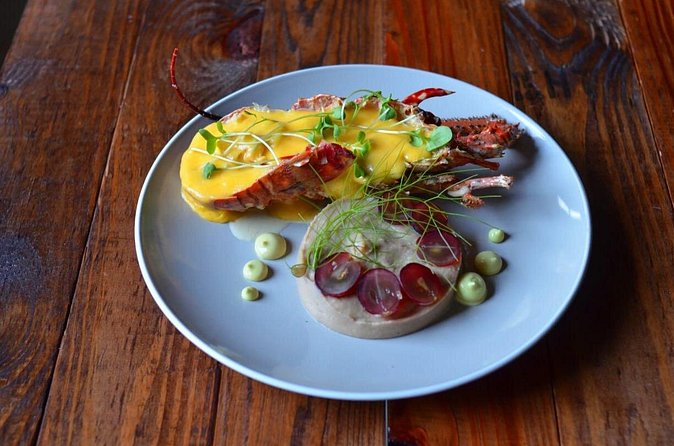
At $125 per person, this is not a cheap meal. The price makes more sense when you count the full package: hotel pickup and return, a driver or guide, local taxes, a cooking class with utensils, dinner, beverages, dessert, and two alcoholic drinks.
You are also paying for an evening outside the resort, with instruction and a cultural angle. A simple restaurant dinner may cost less, but it will not show you how the food comes together or explain local fishing traditions. A private cooking lesson would likely offer more personal instruction, but this activity is priced as a shared experience for up to 18 people.
Value depends on your priorities. I see good value if you want transportation included, enjoy trying local food, and would rather take part in dinner than simply order it. The price is harder to justify if you mainly want a large lobster portion, precise culinary training, or a quiet fine-dining meal.
Because the average booking point is 73 days ahead, I would not leave this until the last minute if it is important to your plans. The cancellation policy is friendly: you can cancel for a full refund up to 24 hours before the start time. Changes or cancellations inside that 24-hour window are not refunded.
Who will enjoy this best?
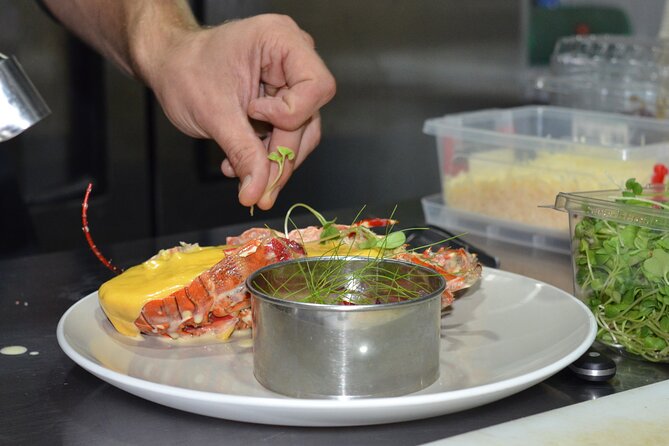
I would recommend the class to curious eaters, couples, families, and resort visitors who want a short introduction to Dominican food. It works especially well when you want a break from the all-inclusive routine without committing to a full-day excursion.
Beginners should feel comfortable with the basic idea. The class is built around chef guidance, and the social setting can make cooking less intimidating. Families may like the chance to give children a role in the meal, provided an adult stays involved.
I would be more cautious if you are a serious home cook. The short format, possible pre-preparation, and variable instruction may not satisfy someone looking for detailed seafood technique. Likewise, if you have strict dietary needs, the available information does not explain substitutions or allergy procedures, so ask before booking.
Language is another deciding factor. Confirm that the session will be conducted in a language you understand well. Clear instructions matter when you are handling seafood, measuring ingredients, and trying to follow several dishes at once.
Should you book the Caribbean Lobster class?
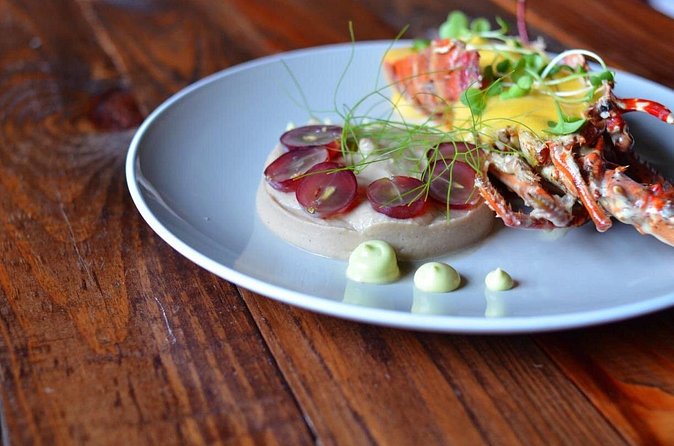
Book it if you want an easy, social evening that combines Dominican ingredients, cooking, rum, dessert, and round-trip hotel transport. The strongest reasons are the friendly guides, the chance to work with lobster, shrimp, and lambí, and the opportunity to eat a meal connected to local traditions.
Do not book it expecting a polished chef’s table or a guaranteed large lobster. The cooking may be partly prepared in advance, the lesson may feel rushed, and one account raised concerns about overcooking and unclear instructions. At $125, you should choose this for the experience and cultural setting, not just the seafood.
Before paying, confirm the pickup details, teaching language, and how much hands-on cooking is planned for your date. If those points suit you, this is a worthwhile way to spend three hours beyond the resort walls.
FAQ
Where does the Caribbean Lobster cooking class take place?
The activity takes place at Oliver Lab by Taino Gourmet in Punta Cana, Dominican Republic.
What time does the experience start?
The listed start time is 2:30 pm.
How long does the activity last?
The experience lasts approximately three hours.
Is hotel transportation included?
Yes. Hotel pickup and drop-off are included, along with transfers in both directions and a driver or guide.
What seafood is used in the cooking class?
The class uses Caribbean lobster, lambí, and shrimp. Lambí is a Caribbean conch ingredient.
Is dinner included?
Yes. Dinner and beverages are included, along with dessert and two alcoholic drinks.
Do I need cooking experience?
No. The class is designed so beginners can follow the chef’s instructions step by step, and cooking utensils are provided.
Can children attend?
Yes, but children must be accompanied by an adult.
How many people can join the class?
The maximum group size is 18 people.
Just added around Punta Cana
- Souvenirs of Rancho Real cigars★ 5.0 · 6 reviews
- Full day tour to samana bay from punta cana★ 4.0 · 6 reviews
- Secrets Royal Beach – Round Trip Shuttle – Punta Cana Airport★ 5.0 · 6 reviews
- Private Airport Transfer to/from Punta Cana Airport and La Romana★ 4.5 · 6 reviews
- “Round-Trip Private Transfer: Punta Cana Airport ↔ Uvero Alto ”★ 5.0 · 6 reviews
- City Tour with Horseback Riding, Zipline, and Dune Buggy at the Countryside★ 3.5 · 6 reviews
- TRS Turquesa- Round Trip Shuttle – Punta Cana Airport★ 4.0 · 6 reviews
- Tour EN Buggy or ATV POR la Nature EN Punta Cana★ 5.0 · 6 reviews
Punta Cana Tours, compared.

Adventure Bundle: Monkeyland, Ziplines & Buggies Punta Cana
Read our review →
Punta Cana Zipline Adventure with Buggies and Horseback Riding
Read our review →
Full-Day Santo Domingo City Tour from Punta Cana
Read our review →
Catamaran Boat to Saona Island with Buffet Lunch
Read our review →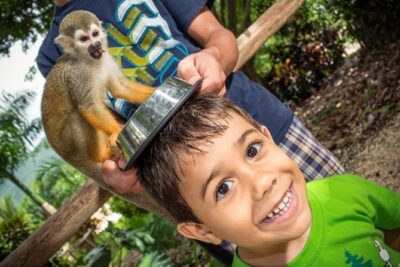
Monkeyland and Plantation Safari Tour from Punta Cana
Read our review →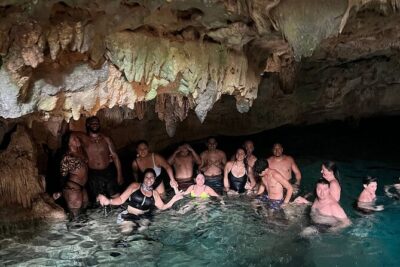
Punta Cana Dune Buggy Adventure and Amazing Water Cave
Read our review →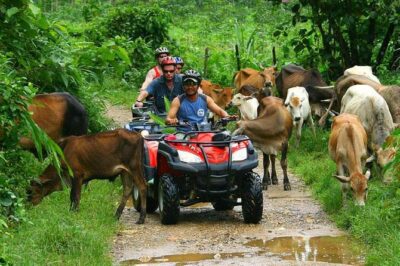
Half-Day Adventure 4×4 ATV, Water Cave and Dominican Culture
Read our review →