
Reviewed · HISTORICAL TOURS
Puerto Plata: Escapada Cultural Tour in Puerto Plata
Puerto Plata’s everyday culture comes into focus through its food. This private, eight-hour outing takes you beyond the resort zone to a bread factory, artisan home, tobacco plantation, cacao producer, and family cheese factory, giving you a useful look at how local products are made and sold.
I like the private format, since your group can set the pace rather than follow a large bus crowd. I also like the mix of hands-on stops, especially the cigar-making process and chocolate tasting, plus a buffet lunch and drinks included in the $78 price.
The main caution is that several stops are built around buying local goods. One recent rating praised the informative cheese and chocolate visits but found the sales pressure a little heavy, so come ready to browse without feeling obliged to purchase.
In This Review
- Key points to know before booking
- Why this tour gives Puerto Plata a wider frame
- From Puerto Plata toward the countryside
- The old Melasa bread factory
- Meeting artisans in a typical Dominican home
- Tobacco fields and handmade cigars
- Organic cacao and the path to chocolate
- A family cheese factory in Imbert
- A short look at San Felipe de Puerto Plata
- What the $78 price really covers
- The private format and the pace of the day
- Lunch, drinks, and the sales question
- Who should book this Puerto Plata tour?
- Should you book it?
- FAQ
- How long is the Puerto Plata Cultural Escape Tour?
- Is pickup and drop-off included?
- Is this a private tour?
- What food and drinks are included?
- Which local products will I see?
- Is the Puerto Plata city visit a full city tour?
- What is the cancellation policy?
Key points to know before booking
- Five rural stops in one day: See bread, artisan crafts, tobacco, cacao, and cheese production in Puerto Plata Province.
- Private transportation and pacing: Pickup and drop-off are provided, and only your group takes part.
- Chocolate tasting included: Learn how cacao becomes chocolate and sample the finished product.
- Lunch and beverages are covered: A buffet meal is part of the tour, helping the $78 fare go further.
- A real culture-and-commerce mix: The visits offer useful local context, but expect opportunities to buy products.
- Best for curious food lovers: This suits you if you want rural encounters and production stories more than beach time.
Why this tour gives Puerto Plata a wider frame
Puerto Plata is often sold through beaches, resorts, and easy sunshine. Those are part of the province, but they tell only a small piece of the story.
This tour moves inland and focuses on the people and products behind daily life. You are not simply looking at scenery from a vehicle. You are stopping to see how bread is made, how artisans work, how tobacco becomes cigars, how cacao becomes chocolate, and how a family cheese business operates in the Imbert community.
That range gives the day a clear purpose. Each stop adds another piece to the story of Dominican food and rural work. You will also hear cultural background from a professional guide, who accompanies your group throughout the day.
The setting is private, which matters during a long outing. You can ask questions as you go and move at your own pace within the day’s schedule. The tour still follows a full route, but it is not designed as a rigid, one-size-fits-all group excursion.
The start time is 9:30 a.m., and the full experience lasts about eight hours. That makes this a substantial day trip, not a quick half-day taste of the countryside.
More History Tours in Puerto Plata
- Puerto Plata: Half-Day Historic and Cultural Highlights Tour
★ 4.8 · 70 reviews - Puerto Plata: City tour through the historic old town
★ 4.3 · 34 reviews - Puerto Plata Tour: History, Culture and Cable Car Ride
★ 3.7 · 11 reviews
From Puerto Plata toward the countryside
The first part of the day takes you into Puerto Plata Province and away from the most familiar visitor areas. The stated goal is to show you authentic Dominican culture through local homes, workshops, farms, and food producers.
I would approach this part with curiosity rather than a checklist mindset. These are working places and family businesses, not polished museum displays. You may see ordinary production methods, hear personal stories, and encounter the practical side of how goods are made and sold.
The guide is an important part of the experience. The tour description places strong emphasis on cultural explanation, so listen closely during transfers and between stops. The drive time is not merely dead space. It helps connect the separate visits into a larger picture of life in the province.
Because pickup is offered, you avoid arranging separate transport for each location. The exact pickup details should be confirmed when you book, particularly if you are staying outside the usual service area.
The old Melasa bread factory
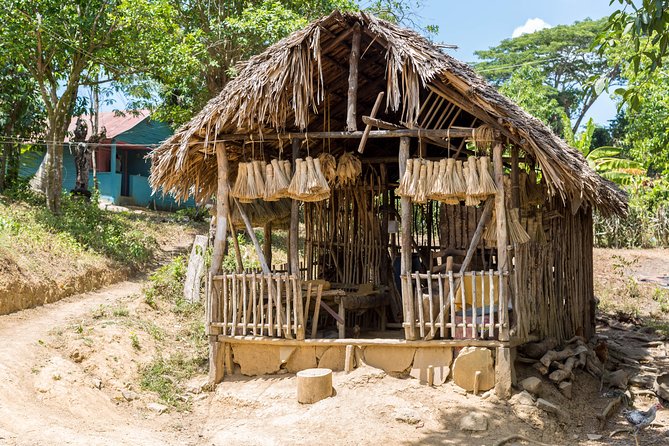
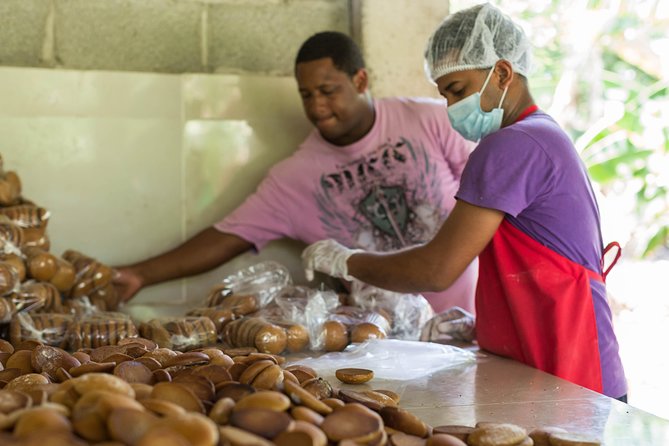
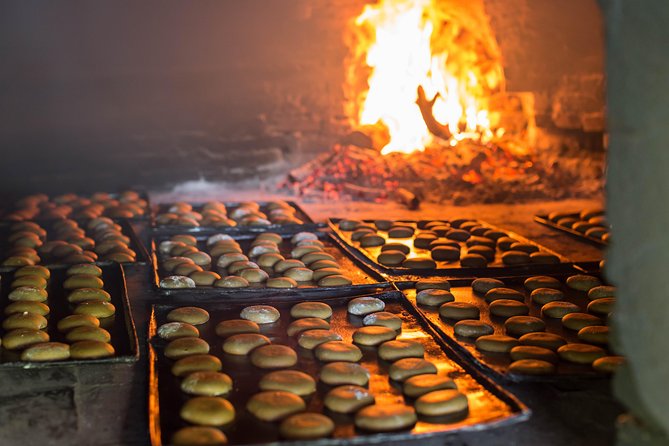
The bread factory is one of the day’s more distinctive stops. You will visit the old Melasa bread factory and learn about a local product that is less glamorous than cigars or chocolate, but arguably more connected to ordinary daily life.
Bread can tell you plenty about a place. It is made for regular use, shared at home, and tied to local habits rather than souvenir shopping. Here, the value comes from seeing the process and hearing how the factory fits into the area’s culture.
Do not expect this to be a grand attraction with a long list of formal exhibits. The appeal is the working setting and the chance to see a familiar food from a local point of view. If you enjoy food tours that explain process and custom, this should be a worthwhile early stop.
The factory also sets the tone for the rest of the day. You will be looking at products as part of community life, not just sampling them in a shop.
Meeting artisans in a typical Dominican home
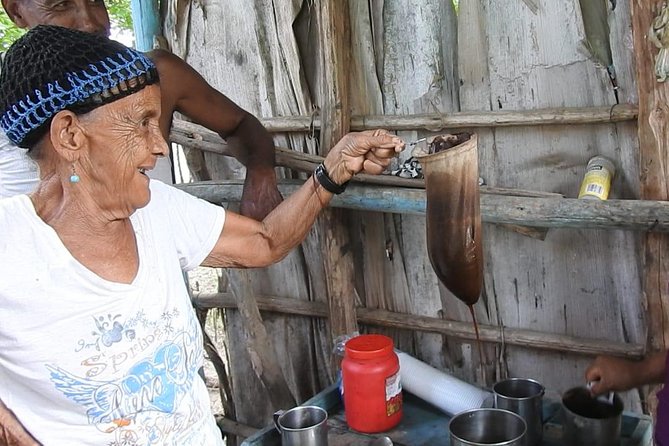
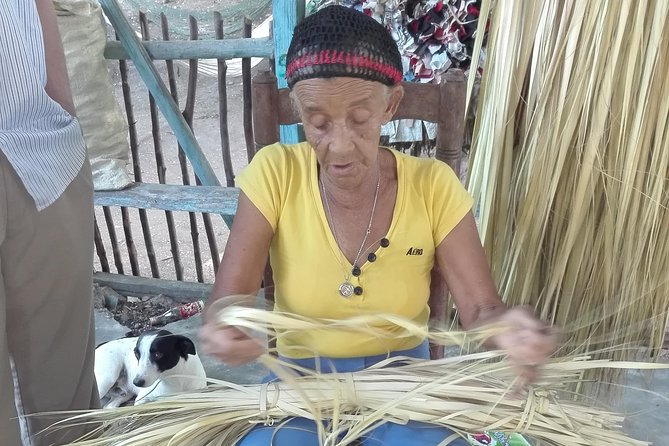
The artisan visit takes you into a typical home, where you can meet the people who make local crafts and learn about their way of life. This is a more personal stop than a standard market visit.
I like the idea of seeing artisans in their own setting. A shop can show you finished objects, but a home visit gives more room for conversation about work, family, and daily routines. The experience may feel less polished, yet that is part of its value.
You should also keep your expectations practical. The information provided does not identify the specific crafts or explain how long the visit lasts, so you will not know the exact items or demonstration until you arrive. The focus is on meeting the makers and hearing their story rather than following a detailed craft workshop.
As at several other stops, you may have the chance to buy something. A purchase can support the family directly, but it should remain your choice. The most useful approach is to enjoy the conversation first and treat shopping as optional.
More things to do around Puerto Plata:
- Monkeyland Puerto Plata
★ 5.0 · 1,086 reviews - Puerto Plata City Tours
★ 5.0 · 590 reviews - 7 waterfalls+typical food
★ 4.5 · 526 reviews - Half Day City Tour in Puerto Plata
★ 5.0 · 410 reviews
Tobacco fields and handmade cigars
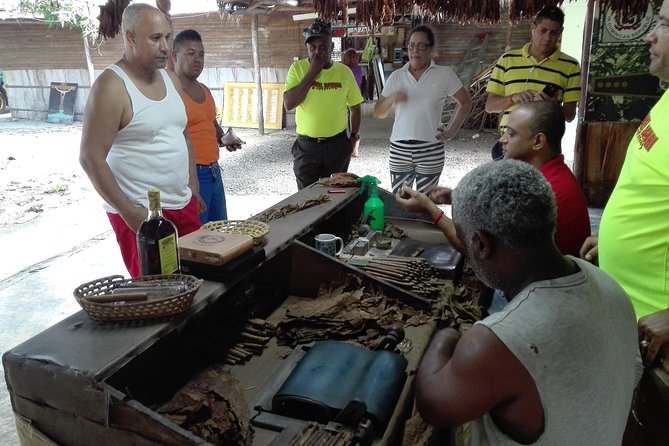
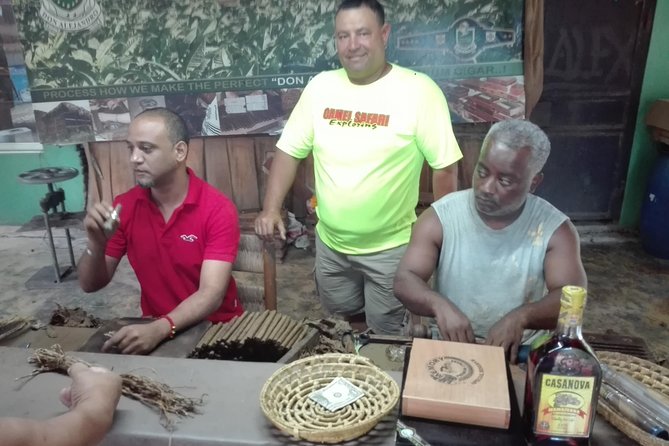
The tobacco stop explains how cigars are produced by hand. You will visit a tobacco plantation, enjoy countryside views, and see the manufacturing process for artisanal cigars.
This is one of the clearest links between agriculture and Dominican identity on the tour. You are not only seeing a finished cigar in a display case. You are learning that the product begins with cultivation and depends on skilled handwork.
The word artisanal matters here. The visit concerns a traditional production process, so watch for the details of how tobacco is handled and shaped. If cigars interest you, this may be the strongest stop of the day. If you do not smoke, it can still be useful as an introduction to an important local industry.
The tour does not state that cigar purchases are included, so assume that any cigar or souvenir purchase costs extra. This is another place where the commercial side of the outing may be noticeable. You can learn about the craft without buying anything.
Organic cacao and the path to chocolate
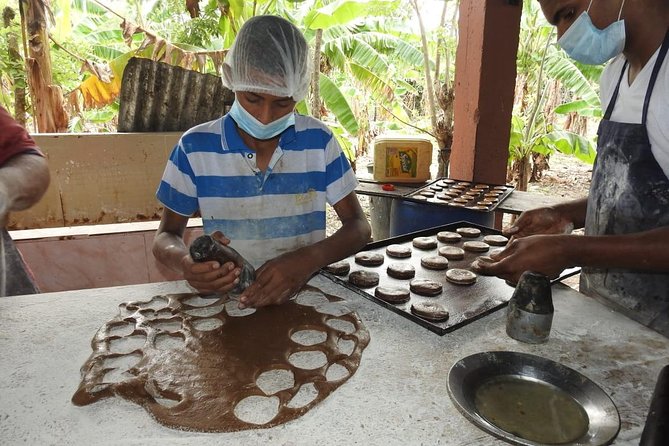
The cacao visit is likely to be a favorite for anyone with a sweet tooth. You will visit an organic cacao plantation and production facility, learn the steps that turn cacao into chocolate, and taste the finished product.
That process is worth your attention. Chocolate often reaches you as a finished bar, with the farm and processing hidden from view. Here, you get a basic explanation of the full chain, from plantation to treat.
The tasting adds something important. It gives you a sensory connection to the lesson instead of leaving the stop at a talk or demonstration. The tour information does not specify the number of samples or the type of chocolate, so expect a tasting without assuming a large spread.
This stop also reflects the tour’s wider strength: it combines farming, production, and culture. You can see how a crop becomes a product with local economic value, then try it yourself.
As with the other factory visits, you might find products available for purchase. One rating specifically praised the chocolate and cheese explanations while noting too much emphasis on buying items. Keep that in mind, especially if you prefer tours with little or no sales activity.
A family cheese factory in Imbert
The route includes a cheese factory belonging to a traditional family in the Imbert community. You will also visit a park in the community during this part of the day.
This stop gives the tour a different flavor. Bread, cacao, and tobacco each carry a clear production story, while cheese shows how a family business can become part of local food culture. The visit should help you understand the work behind a product that appears simple on the table.
The family connection is important. You are not just entering an anonymous industrial plant. You are visiting a business tied to a local community and hearing about its traditional methods.
The tour does not provide a detailed description of the cheese-making demonstration, so the exact level of access may vary. You should expect an explanation and a factory visit, not necessarily a hands-on class.
The nearby park gives the stop a brief change of pace. It also helps break up the sequence of indoor and production-focused visits. If your group includes children, that pause may be welcome during a full eight-hour day.
A short look at San Felipe de Puerto Plata
The experience also includes about 30 minutes in San Felipe de Puerto Plata, the provincial capital. The city is known for its beaches, older central area, and the sixteenth-century San Felipe Fortress.
The short duration means you should treat this as a quick orientation, not a full city tour. You may get a sense of the capital and its colonial-era setting, but there is not enough time here for an extended museum visit or a slow walk through every historic corner.
San Felipe Fortress is especially useful context. The Spanish fort once served a military purpose and now holds historical and military artifacts. Even if your visit is brief, the fort helps connect Puerto Plata’s modern resort identity with its older role on the Atlantic coast.
The city portion rounds out the day. After seeing rural production and family businesses, you get a reminder that Puerto Plata also has an urban and colonial past.
What the $78 price really covers
At $78 per person, this tour offers solid value if you want a full day of included services. The price covers pickup and drop-off, a professional guide, beverages, buffet lunch, taxes, fees, and handling charges.
That list matters. A private vehicle, a guide, food, and several admission-free visits can add up quickly if arranged separately. You also avoid the work of coordinating rural transport between multiple communities.
The value is less clear if you mainly want a relaxed day with plenty of free time. Eight hours is a long commitment, and the tour’s strength is its number of stops. You are paying for access, transportation, explanations, tastings, and a broad look at local products rather than for one major attraction.
Souvenir photos and a DVD are not included. A pickup from Rio San Juan costs an additional US$15, payable to the guide on the day of the tour. If you are based elsewhere, confirm the pickup arrangement before booking.
The private format and the pace of the day
Only your group participates, which is a major practical advantage. You can ask questions without competing with a large crowd, and the guide can respond to your interests more easily.
The tour also says you can go at your own pace. That does not mean the day has no schedule. With five production or community stops, lunch, transportation, and the city visit packed into eight hours, timing still matters.
I would book this when your group wants a shared cultural outing and values flexibility. It works particularly well for families or friends who want the day to feel more personal than a standard coach tour.
Children must be accompanied by an adult, and most people can participate. No special accessibility details are provided, so you should ask the provider directly if anyone in your group has mobility needs or requires specific arrangements.
Lunch, drinks, and the sales question
The included buffet lunch and beverages make the day easier. You do not need to plan a separate meal while moving between rural stops, and the food break gives you time to rest during a long outing.
The tour does not identify the menu, restaurant, or beverage choices. I would treat lunch as a practical included meal rather than booking this solely for a particular culinary spread.
The sales element deserves an honest mention. The stops are connected to products that can be bought, and the commercial purpose is part of the experience. That can be positive if you want to take home Dominican chocolate, cigars, cheese, or crafts.
If you dislike shopping stops, set your expectations before you go. You can listen, taste, and learn without purchasing, but you may still hear repeated invitations to buy. A calm, polite no should be enough, and the private format lets you tell your guide if your group wants more time for learning and less time for shopping.
Who should book this Puerto Plata tour?
I would recommend it to you if you want to understand Puerto Plata through local production. Food lovers, curious families, first-time visitors, and anyone interested in cigars, cacao, crafts, or rural business will find plenty to discuss.
It is also a good match if you are staying in a resort and want to see more than the beach area. The route gives you contact with communities and family enterprises that a resort day will not provide.
I would think twice if your ideal vacation day means staying near the water, avoiding vehicle time, or skipping commercial visits. The outing is full and varied, but it is not slow or purely scenic.
At $78, the strongest value comes from the combination of private transport, a guide, lunch, drinks, and several cultural stops. The main trade-off is the sales pressure that can come with those product visits.
Should you book it?
Book this tour if you want a broad, practical introduction to Dominican culture and prefer a private day with food tastings, rural stops, and local stories. The cheese and chocolate visits deserve particular attention, and the tobacco and artisan stops add variety.
Skip it if you want a short, history-focused city tour or a day without shopping opportunities. For the right group, this is a useful way to connect Puerto Plata’s food, craft, agriculture, and community life in one day.
Free cancellation is available up to 24 hours before the 9:30 a.m. start time. Changes or cancellations made less than 24 hours ahead are not accepted for a refund, and the cut-off follows local time.
FAQ
How long is the Puerto Plata Cultural Escape Tour?
The experience lasts about eight hours, with a listed start time of 9:30 a.m.
Is pickup and drop-off included?
Pickup and drop-off are provided. Pickup from Rio San Juan costs an additional US$15, payable to the guide on the day of the tour.
Is this a private tour?
Yes. Only your group participates, and the tour allows your group to go at its own pace.
What food and drinks are included?
A buffet lunch and beverages are included in the tour price.
Which local products will I see?
You will visit a bread factory, an artisan home, a tobacco plantation and cigar-making operation, an organic cacao plantation and chocolate facility, and a family cheese factory.
Is the Puerto Plata city visit a full city tour?
No. The city portion lasts about 30 minutes, so it is a short visit to San Felipe de Puerto Plata rather than a full city sightseeing program.
What is the cancellation policy?
You can cancel at least 24 hours before the experience for a full refund. Cancellations or changes made less than 24 hours before the start time are not accepted for a refund.
More history trips in Puerto Plata
- Puerto Plata City Tour Ron Puros Culture and History
★ 5.0 · 10 reviews - Cocoa & Artisan Chocolate Route with an Historical Tour in Puerto Plata City
★ 4.0 · 9 reviews - Private Guided Tour: Explore Puerto Plata’s Rich History!
★ 5.0 · 8 reviews - Puerto Plata: Monkey Tour, Fortress, and Historic Center
★ 4.7 · 7 reviews
Just added around Puerto Plata
- Puerto Plata: Buggy Adventure with Local Guide★ 4.7 · 6 reviews
- Airport Transfer From Santiago to Puerto Plata one way★ 5.0 · 6 reviews
- 10-Hour Guided Tour of Samana and Bacardi Island Los Haitises★ 4.5 · 6 reviews
- Private Transportation from Puerto Plata Airport to Hotels★ 5.0 · 6 reviews
- Sailing Catamaran Excursion★ 5.0 · 6 reviews
- The piña colada experience★ 5.0 · 6 reviews
- City tours Puerto Plata★ 5.0 · 6 reviews
- Horseback Riding on Puerto Plata★ 5.0 · 6 reviews
Historical Tours, compared.
Half Day Dominican Republic Cultural Tour : Small Group
Read our review →
Historical Santo Domingo Day Trip from Punta Cana
Read our review →
Historical Tour with a visit to the Columbus Lighthouse and Tres Ojos Park
Read our review →
Full Day Santo Domingo City Tour: History of the Caribbean From Punta Cana
Read our review →
Discover Santo Domingo: Colonial History, Monuments & Lunch
Read our review →
Browse the lists this tour appears in