
Reviewed · SCUBA DIVING
Punta Cana: PADI Open Water Scuba Certification (2–3 Days)
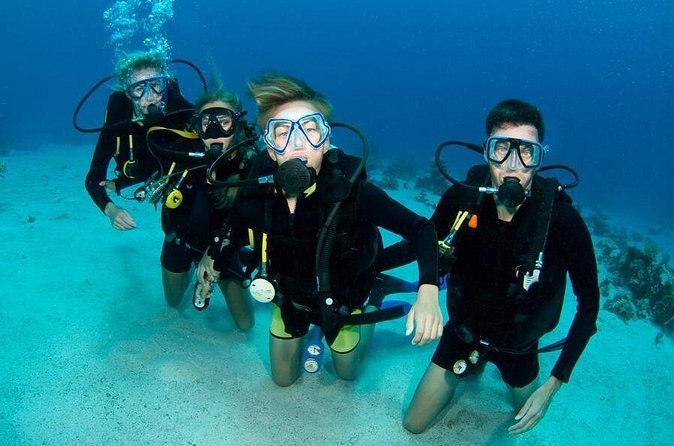
Punta Cana’s SeaPro Divers course takes you from classroom basics to open-water scuba certification in two or three days. You learn equipment use and safety in the pool before putting those skills to work in the ocean, with instructors such as Jennifer, Daniel, and Eugenio helping nervous beginners find their footing.
I like the small-group feel, with some sessions limited to only three people, and I like that the price includes equipment, certification, and hotel transport from selected properties. The catch is the fast pace: you need moderate fitness, comfort in the water, and a schedule clear enough for two full mornings starting at 9 a.m.
In This Review
- Key points to know before booking
- What the Punta Cana course actually teaches
- Day one: classroom basics and pool practice
- Day two: taking your skills into the ocean
- Choosing the third day and Catalina Island
- How the instructors shape the experience
- The real value of the $649 price
- Hotel pickup and meeting-point details
- Health rules and flight planning
- Who should book this course
- Should you book SeaPro Divers?
- FAQ
- How long does the PADI course take?
- What time does the activity start?
- Where does the course begin?
- Does the course include hotel transportation?
- What is included in the price?
- Is food included?
- How old must participants be?
- Can I fly soon after the course?
- Can I cancel the booking?
Key points to know before booking
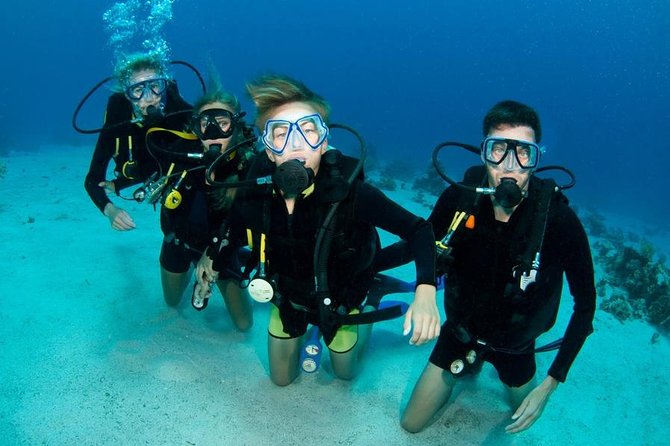
- Pool work comes first: Classroom lessons and controlled pool practice help you learn equipment and basic safety before ocean sessions.
- Two certification paths are offered: You can work toward a PADI Open Water license or a Scuba Diver license.
- The instructors receive the strongest praise: Jennifer is noted for calm, clear teaching, while Daniel, Eugenio, Craig, and others bring solid technical guidance.
- A Catalina Island add-on may improve the third day: The optional excursion can include underwater sites, lunch, drinks, and room for family members to snorkel.
- Transport has limits: Pickup and return are included at selected hotels, but not at Cap Cana or Punta Cana Resort Club properties.
- Plan around your flight: Flying within 24 hours after scuba activity is not recommended.
What the Punta Cana course actually teaches
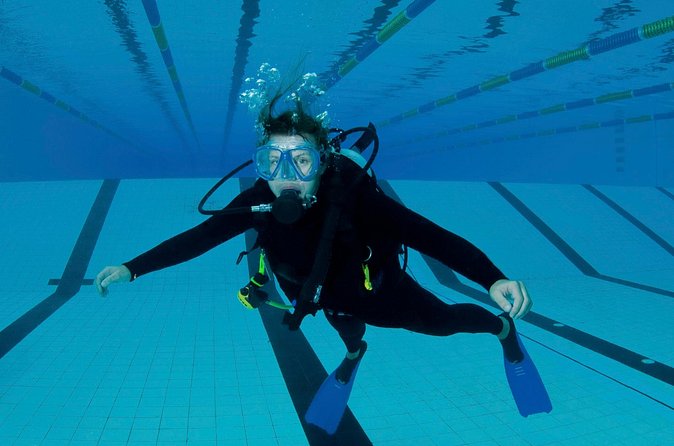
This is not a quick resort demonstration where you spend a few minutes breathing underwater and then return to the beach. You are signing up for a real PADI training course, with lessons, equipment practice, skill tests, and open-water requirements.
You begin by learning how the gear works and how to use it safely. The course then moves into the pool, where you can practice without waves, current, or the distraction of a large ocean setting. That controlled start matters, especially if you are uneasy about breathing through a regulator or putting your face underwater.
The course is offered over two or three days. The exact rhythm depends on the package you choose and how quickly your group handles the required work. A two-day option is best for a tightly planned vacation. The three-day version gives you more time and may include a Catalina Island excursion, which can turn the certification trip into a fuller day on the water.
You can also choose between the PADI Open Water license and the Scuba Diver license. Confirm the difference with SeaPro Divers before booking so you select the qualification that matches your future plans. The advertised course includes certification after successful completion.
More Scuba Diving in Punta Cana
- Scuba Doo Diving Experience in Punta Cana
★ 4.0 · 422 reviews - Scuba Doo – Diving Scooters in Punta Cana
★ 4.2 · 283 reviews - 3 ADVENTURES: Sailing Catamaran Cruise – Hooka Diving – Snorkeling
★ 5.0 · 162 reviews
Day one: classroom basics and pool practice
Your day begins at 9 a.m. at SeaPro Divers, at Playa Blanca number 2 in Punta Cana, unless pickup has been arranged from an eligible hotel. The first stage combines instruction with pool work.
Expect to spend time learning the names and functions of your equipment, how to prepare it, and how to manage basic underwater tasks. The pool lets your instructor watch your technique closely and correct problems before you reach the sea. That is particularly useful for first-timers, since small issues feel easier to solve in shallow, controlled water.
Jennifer is repeatedly singled out for patient explanations and positive reinforcement. One useful detail is that she has taken extra time with students who struggled to put their noses underwater. That makes her a good instructor to request if anxiety is your main concern, though instructor assignments are not guaranteed.
Daniel is also described as calm and patient, both in instruction and during ocean sessions. Eugenio and Craig have received similar praise for clear teaching and well-organized lessons. The company has also used instructors named Jessica, David, Petra, and Kraig, so the person leading your course may vary.
The course moves at a brisk pace. You are not simply watching a demonstration. You must learn and perform the required skills, so a little prior comfort in the water will help. The official guidance calls for moderate physical fitness, and that is worth taking seriously. You do not need to be an athlete, but you should be prepared for repeated practice, handling equipment, and time in the pool and sea.
Bring sunscreen and a snack. Food and drinks are not included, and a long morning of lessons can leave you hungry.
Day two: taking your skills into the ocean
The second stage transfers your pool skills to open water. This is the part that makes the course feel real. Ocean conditions can change the experience considerably, and one account notes rougher water during the course, while another describes seaweed and algae at the site.
That is not necessarily a flaw in the operator. Natural conditions are part of scuba activity, but they can affect visibility, comfort, and how relaxed you feel underwater. If you want the clearest possible conditions, ask about the forecast and planned sites before your start date. You should also understand that Punta Cana is not a guaranteed aquarium on every outing.
Your instructor remains close while you work through the required open-water skills. The point is not only to complete the certification, but to show that you can use the equipment and respond correctly outside the pool. The strongest part of this course appears to be the human guidance. Jennifer is praised for clear directions and reassurance, while Daniel is described as especially patient under water.
Some groups have been very small, with one session involving just three people. The published maximum is 10 participants. A small group usually means more direct attention, but you should not assume every departure will have only three students.
The course includes pool and ocean sessions, equipment, an instructor, and certification upon completion. One account refers to a four-session certification structure, but the exact number and timing should be confirmed when you reserve. Conditions, course pace, and the selected package can affect the schedule.
Choosing the third day and Catalina Island
The three-day option may be the better choice if you have room in your vacation schedule. It can include a Catalina Island excursion, and this is more than extra classroom time. You may get a broader day on the water, with underwater sites, a boat ride, and time on the island.
The Catalina option has another advantage for families and couples. Family members have joined the same boat simply to snorkel, while certified students continued with their own underwater program. Lunch and drinks have also been included on the island excursion described in the supplied information.
I would choose the third day if you want the certification to be part of a larger outing rather than a tightly packed requirement. The extra day also gives you more breathing room if you find the first pool session challenging.
Do not assume Catalina is included in every three-day booking. The information describes it as a third-day excursion option, so check the exact package before paying. Ask what the third day includes, where the boat goes, and whether non-scuba companions can join.
More things to do around Punta Cana:
- Adventure Bundle: Monkeyland, Ziplines & Buggies Punta Cana
★ 5.0 · 10,715 reviews - Private Airport Punta Cana to La Romana Bayahibe or Casa de Campo Resort Area
★ 5.0 · 6,662 reviews - Punta Cana Zipline Adventure with Buggies and Horseback Riding
★ 5.0 · 5,001 reviews - Full-Day Santo Domingo City Tour from Punta Cana
★ 4.5 · 4,500 reviews
How the instructors shape the experience
A certification course succeeds or fails with its instructors. Equipment and scenery matter, but a calm teacher matters more when you are learning to breathe underwater for the first time.
Jennifer receives the most consistent praise for patience, clear instructions, and encouragement. That combination is valuable because beginners often understand a skill on land but need several tries to perform it in the water. She has also helped students who were nervous at the start and gradually became more comfortable.
Daniel is described as a first-rate instructor with a patient manner. Eugenio has been praised alongside Jennifer for useful, well-organized lessons. Craig and Kraig are also associated with strong instruction, and Jessica is described as reassuring and friendly.
Kat handles much of the organization and communication. She helps with registration, answers questions, and coordinates arrangements before the course. That is useful when you are booking from another country and want someone to explain the process before you arrive.
The tone appears professional without being stiff. Several accounts describe instructors as fun to learn with, but the course still focuses on practical skills and safe habits. That balance suits beginners who want encouragement without having the safety material brushed aside.
The real value of the $649 price
At $649 per person, this is a substantial vacation expense. The price makes more sense when you look at what is bundled: equipment, pool and ocean instruction, the PADI certification, and round-trip transport from selected hotels.
If you only want to try scuba once, the cost may feel high compared with a short introductory activity. This course is aimed at giving you a qualification that can be used for scuba trips around the world, not just a single morning in Punta Cana. The value is strongest if you expect to use the certification again.
The quality of the sites is another part of the calculation. One experienced customer felt that advanced training was expensive relative to the sites, while still praising the staff. That criticism is relevant here too. You are paying primarily for training, organization, equipment, and certification, not a guarantee of exceptional underwater scenery every day.
The optional Catalina outing may improve the overall value if you want more than the minimum required sessions. It adds a destination element and can work well for a family group with both scuba students and snorkelers. Ask whether lunch, drinks, transport, and the island trip are included in your exact rate.
Hotel pickup and meeting-point details
Pickup and drop-off are included for selected hotels. You should confirm eligibility before booking, since transport is specifically excluded for Cap Cana and Punta Cana Resort Club hotels.
If your hotel is not covered, the meeting point is SeaPro Divers at Playa Blanca number 2, Punta Cana 23000. The activity ends back at the meeting point. The area is near public transportation, which may help if you need to arrange your own way there.
For hotel pickup, be ready at the stated point a little early. One practical note from the experience is to arrive about 10 minutes before the scheduled pickup. That small buffer can prevent a rushed start, especially at a large resort where finding the pickup area takes time.
Bring only what you need for the day, along with sunscreen and a snack. Food and drinks are not included in the basic course.
Health rules and flight planning
Every participant must complete a health questionnaire before scuba activity. Certain medical conditions, including asthma and heart conditions, may prevent you from taking part. If you have a relevant medical history, consult your doctor before booking rather than waiting until arrival.
The minimum age is 10. The course also requires moderate physical fitness, and you should be comfortable following instructions in a pool and open water.
Plan your return flight carefully. Scuba activity within 24 hours of flying is not recommended. If you are visiting Punta Cana near the end of your vacation, leave enough time between your final underwater session and departure.
The activity accepts a maximum of 10 participants, but the actual group size can be smaller. Confirmation is received at booking, and the ticket is mobile, so you do not need to depend on a printed voucher.
Who should book this course
I would recommend it to you if you want a recognized qualification and can give two or three days to the process. It suits first-time students who appreciate patient instruction, couples who want to learn together, and families with children aged 10 or older who meet the health and fitness requirements.
It is also a good choice if you value organization. Kat’s role in arranging registration and transport can remove much of the uncertainty that comes with booking a course abroad. The instructors have experience helping nervous beginners, which is one of the most important qualities in a first certification.
I would hesitate if your schedule is tight, you dislike structured lessons, or you are looking only for clear water and dramatic scenery. Ocean conditions may include seaweed, algae, or rough water, and the training moves quickly. You should also reconsider if your medical questionnaire raises concerns or if you plan to fly home immediately after the course.
The 98 percent recommendation rate and 4.9 rating from 50 recorded evaluations point to a strong customer experience, especially in instruction and organization. Still, those numbers do not remove the practical issues: the price is high, the course is physically active, and the ocean is not fully predictable.
Should you book SeaPro Divers?
Book this course if becoming a certified scuba student is one of your real vacation goals, not just a spur-of-the-moment beach activity. The combination of pool training, open-water sessions, equipment, certification, and selected hotel transport gives you a useful all-in-one arrangement.
Choose the two-day option for efficiency. Choose three days if you want a less compressed schedule or the Catalina Island outing. Before paying, confirm your instructor, hotel transport, certification level, exact third-day inclusions, and the required gap before your flight.
For a nervous beginner, I would put the patient teaching of Jennifer, Daniel, and the other instructors ahead of the underwater scenery. The course’s best asset is the support you receive while learning something unfamiliar. If that is what you need, $649 can be fair value. If you only want a casual taste of scuba, look for a shorter introductory session instead.
FAQ
How long does the PADI course take?
The course is offered in two-day and three-day formats. The three-day option may include a Catalina Island excursion.
What time does the activity start?
The stated start time is 9 a.m.
Where does the course begin?
It begins at SeaPro Divers, Playa Blanca number 2, Punta Cana 23000, Dominican Republic, unless hotel pickup has been arranged.
Does the course include hotel transportation?
Round-trip hotel transportation is included for selected hotels. Transportation is not included for Cap Cana or Punta Cana Resort Club hotels.
What is included in the price?
The course includes scuba equipment, an instructor, pool and ocean sessions, PADI certification after completion, and hotel pickup and drop-off where available.
Is food included?
No. Food and drinks are not included. You are advised to bring a snack and sunscreen.
How old must participants be?
The minimum age is 10 years.
Can I fly soon after the course?
Scuba activity within 24 hours of flying is not recommended, so plan your final session with your departure time in mind.
Can I cancel the booking?
You can cancel for a full refund if you do so at least 24 hours before the experience begins. Cancellations or changes made less than 24 hours before the start time are not accepted for a refund.
More dive trips in Dominican Republic
- Diving for Certified Divers, 2 Tanks Sosúa Bay
★ 5.0 · 345 reviews - First Time Scuba Diving Experience in Punta Cana
★ 4.5 · 148 reviews - PACKAGE DEAL Catamaran- Snorkeling – Hooka Diving – Parasailing
★ 4.5 · 103 reviews - Scuba Doo Underwater Scooter in Punta Cana (Half Day)
★ 4.0 · 84 reviews
Just added around Dominican Republic
- The 7 Hidden Beaches In Samaná & Las Galeras★ 4.0 · 6 reviews
- Puerto Plata: Buggy Adventure with Local Guide★ 4.7 · 6 reviews
- Transportation from PUJ Airport to Bavaro and Punta Cana★ 5.0 · 6 reviews
- Private Boat Nature Tour of Saona Island★ 5.0 · 6 reviews
- Full day tour to samana bay from punta cana★ 4.0 · 6 reviews
- Souvenirs of Rancho Real cigars★ 5.0 · 6 reviews
- Secrets Royal Beach – Round Trip Shuttle – Punta Cana Airport★ 5.0 · 6 reviews
- “Round-Trip Private Transfer: Punta Cana Airport ↔ Uvero Alto ”★ 5.0 · 6 reviews
Scuba Diving, compared.
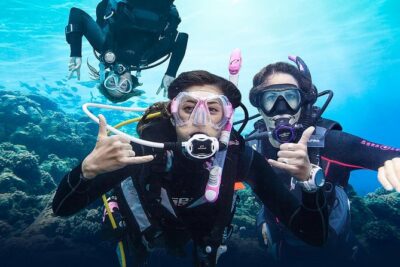
Diving for Certified Divers, 2 Tanks Sosúa Bay
Read our review →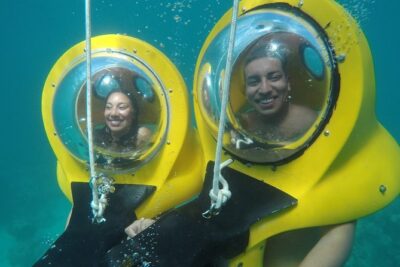
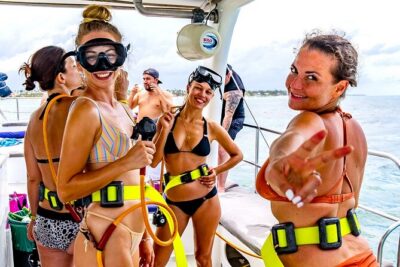
3 ADVENTURES: Sailing Catamaran Cruise – Hooka Diving – Snorkeling
Read our review →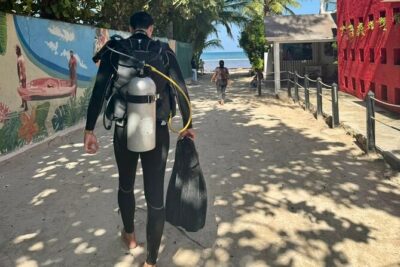
First Time Scuba Diving Experience in Punta Cana
Read our review →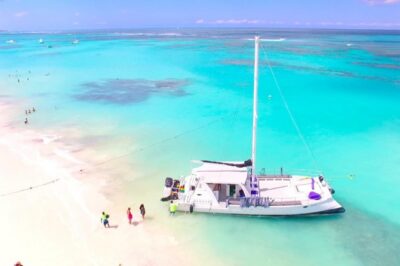
PACKAGE DEAL Catamaran- Snorkeling – Hooka Diving – Parasailing
Read our review →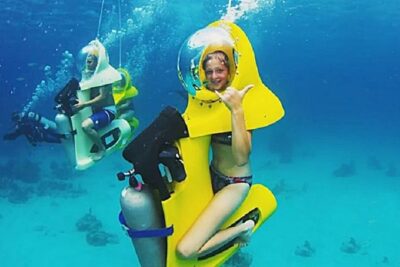
Scuba Doo Underwater Scooter in Punta Cana (Half Day)
Read our review →
Punta Cana Party Cruise with Snorkeling, Hooka Diving and Parasailing
Read our review →Browse the lists this tour appears in