
Reviewed · DOMINICAN REPUBLIC CIGAR TOURS
Roll your Own Cigar in Puerto Plata
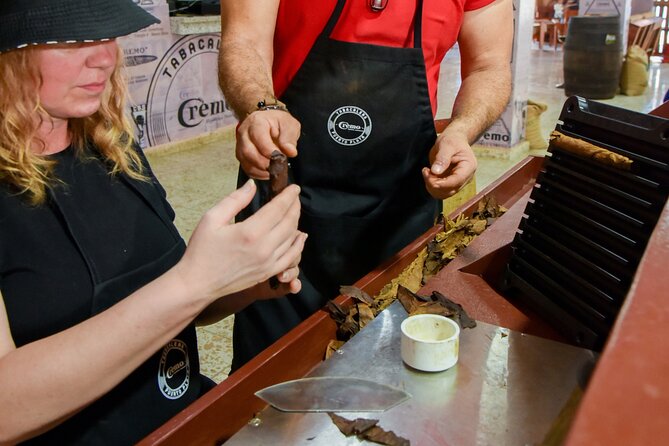
Rolling a cigar from loose tobacco leaves into a finished handmade cigar is the heart of this Puerto Plata experience. You work with a professional torcedor, learn how fillers and wrappers differ, and take your time shaping your own cigar from start to finish.
I like the hands-on format, which goes well beyond watching a demonstration. I also like the traditional welcome drink and free Cremo cigar, since they give you something to enjoy while you learn. The main drawback is practical: some visitors have had trouble finding the factory because of an incorrect address in booking information, and English support may be limited.
In This Review
- Key Points Before You Book
- Starting at Tabacalera Cremo in Puerto Plata
- Learning the Tobacco Before You Roll
- Watching a Professional Torcedor at Work
- Rolling Your Own Cigar From Start to Finish
- Cutting and Lighting the Finished Cigar
- A Drink, a Cigar, and Time at the Bar
- Is One Hour Long Enough?
- How the $100 Price Holds Up
- Who Will Enjoy This Most?
- Practical Details That Matter
- Should You Book the Cremo Cigar Class?
- FAQ
- How much does the Roll Your Own Cigar experience cost?
- How long does the cigar class last?
- Where does the activity begin?
- Where does the activity end?
- Is the tour private?
- What is included in the experience?
- Is a mobile ticket available?
- Can I cancel or change the booking?
Key Points Before You Book
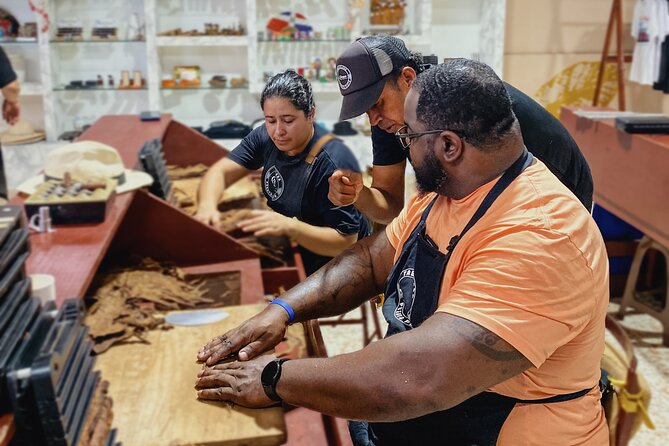
- You roll a cigar from start to finish, rather than simply watching a factory demonstration.
- A professional torcedor guides you through selecting tobacco, shaping the cigar, cutting it, and lighting it.
- The visit includes a welcome drink and a free Cremo cigar, with a bar serving craft beer on site.
- The class lasts about one hour, making it easy to fit into a Puerto Plata sightseeing day or cruise stop.
- The activity is private, so only your own group takes part.
- Use the exact meeting point carefully: Q8X4+WM4, C. San Felipe 8, Puerto Plata 57000.
Starting at Tabacalera Cremo in Puerto Plata
The experience begins at Tabacalera Cremo, a cigar factory at Q8X4+WM4, C. San Felipe 8, in Puerto Plata. This is a city-center location near public transportation, and the tour ends at the same place.
Before you set out, double-check the address shown in your confirmation. The supplied directions have caused confusion for at least one person, so do not rely only on an old email address or a loosely written map pin. Enter the full plus code and street address into your navigation app.
Once inside, you receive a traditional welcome drink before the cigar lesson begins. That small opening matters. It gives the visit a local feel instead of making it seem like a quick retail stop, and it lets you settle in before handling the tobacco.
The setting is part of the appeal. Cremo presents itself as a small manufacturer built around quality and tradition. You are not entering a huge industrial plant with rows of machines. The focus is the handwork behind a finished cigar, which makes the visit useful even if you never smoke.
More cigar factory visits:
- Don Lucas Cigar Factory & Store + Premium Rum Tasting (3 hours)
★ 3.5 · 126 reviews - Punta Cana: Don Lucas Cigar Factory & Rum Tour with Pickup
★ 4.0 · 88 reviews - Dominican Cigar Factory Tour
★ 5.0 · 65 reviews
Learning the Tobacco Before You Roll
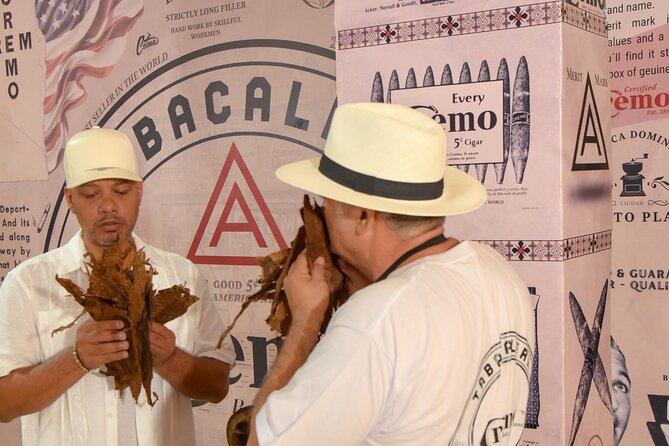
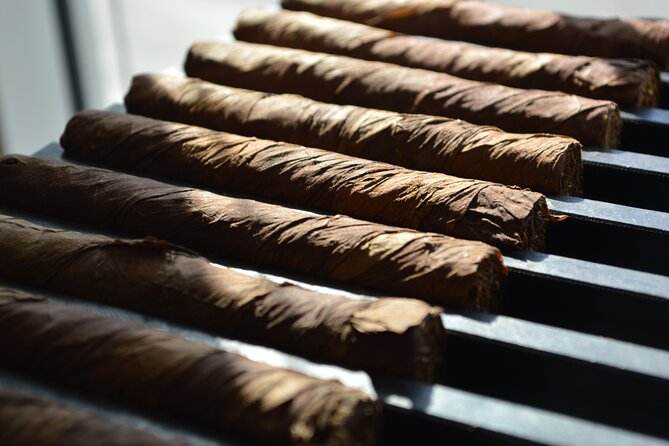
The first real lesson is sensory. You are shown tobacco leaves and introduced to the aromas and textures that help define a cigar. The instructor explains the role of different leaves, including the filler tobacco inside the cigar and the outer wrapper that gives the finished product its shape and appearance.
This is a useful place to slow down. A cigar can look simple from the outside, but its construction depends on several choices. The filler affects the body and character, while the wrapper must cover the cigar cleanly and hold the roll together.
You get to handle and compare tobacco rather than hearing only a short speech about it. One particularly appealing part of the experience is selecting from different filler leaves. That gives you a better sense of why handmade cigars are not all alike.
I would pay attention to the smell at this stage. Even if you do not smoke, the leaf presentation helps explain the craft in a direct way. You can see why the work requires touch, pressure, and judgment, not just a memorized set of steps.
The lesson also gives cigar smokers useful context. If you already know what you like, you can ask about the leaves and construction that produce a fuller or lighter character. If you are new to cigars, you can treat the session as a practical introduction without needing prior knowledge.
Watching a Professional Torcedor at Work
A trained cigar roller, known as a torcedor, demonstrates the process before you try it. This is one of the strongest parts of the visit because the work looks easy in professional hands. The real lesson begins when you attempt the same movements yourself.
The torcedor shows how the tobacco is arranged, rolled, and finished. You learn how to keep the cigar firm without crushing the leaves, and how to form a shape that feels balanced in your hand. The instructor then lets you work at your own pace.
That slower pace is important. A rushed demonstration would be entertaining but not very useful. Here, you have time to correct your technique and see where the cigar is losing its shape. The class is not about producing a perfect cigar on your first try. It is about understanding the decisions involved in making one.
Names connected with the experience include Luz and Kevin. Kevin has been described as assisting with translation, which can help when the cigar terminology becomes technical. Language support may still vary, so bring patience and use the demonstration closely. Much of the process is visual and easy to follow, but detailed questions may be harder if your guide does not speak much English.
Rolling Your Own Cigar From Start to Finish
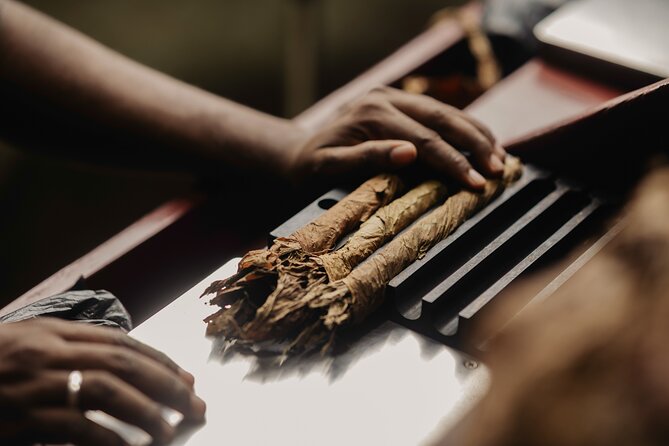
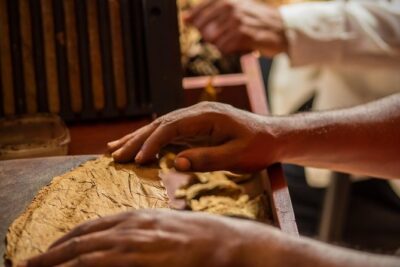
The main activity is your turn at the table. You select tobacco, arrange the filler, and begin forming your cigar with guidance from the professional roller.
This is where the class earns its price. You are not simply handed a souvenir cigar after watching someone else work. You take part in the full process, and the instructor gives you time to make adjustments. The result may not look like a factory-perfect cigar, but it will give you a better understanding of the skill behind one.
Expect to need some patience. Rolling a cigar requires a light touch and steady pressure. Too much force can damage the tobacco or make the cigar uneven. Too little pressure can leave it loose. The torcedor can show you how to correct these problems as you work.
The task suits couples, families with adult participants, and friends who like doing something together. It also works for cigar enthusiasts who want to compare their own attempt with the professional example. A cigar expert in your group may already know the basics, but the chance to work with the leaves is still more engaging than a standard tasting.
For a first-time cigar maker, this is a friendly way to learn without committing to a long course. The class takes about one hour, so you get a real activity without giving up half a day in Puerto Plata.
More things to do around Puerto Plata:
- Monkeyland Puerto Plata
★ 5.0 · 1,086 reviews - Puerto Plata City Tours
★ 5.0 · 590 reviews - 7 waterfalls+typical food
★ 4.5 · 526 reviews - Half Day City Tour in Puerto Plata
★ 5.0 · 410 reviews
Cutting and Lighting the Finished Cigar
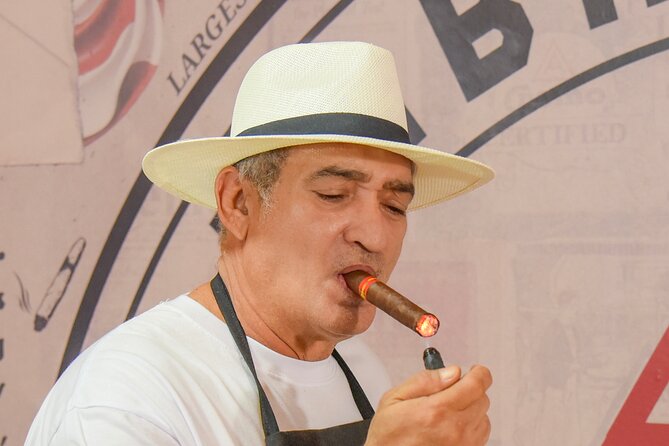
The class also covers proper cigar cutting and lighting. These details are easy to overlook, especially if you normally buy cigars ready to smoke.
The instructor explains how the cut affects the draw and how to light the cigar without scorching it. You may not leave as an expert, but you will have a better idea of how to handle a handmade cigar at home or during the rest of your trip.
The free Cremo cigar adds value here. It gives you a finished cigar to enjoy after seeing the process, and it lets you compare a professionally made product with the one you rolled. If you do not smoke, you can still treat the cigar as a sample of the factory’s work, though the smoking portion is naturally more important to cigar enthusiasts.
The experience does not require you to be a smoker to appreciate it. The point is the precision of a handmade product, especially in an age when many goods are made by machines. Still, do not book this expecting a general Puerto Plata history tour. The focus stays firmly on tobacco and cigar production.
A Drink, a Cigar, and Time at the Bar
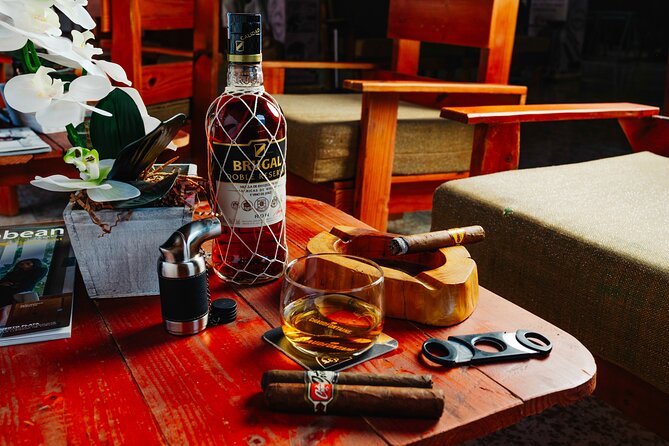
The welcome drink is part of the included experience, and the factory also has a bar where you may find craft beer. That makes the visit feel more relaxed after the hands-on work.
One useful feature is that the bar gives companions something to do if they are curious about cigars but do not want to smoke. The visit can work for a mixed group, though everyone should understand that the central activity remains the cigar class.
You may also have the chance to buy cigars to take with you. This is handy for cruise passengers who want a Dominican cigar before returning to the ship. Treat the shopping as an optional extra rather than the reason to book. The value comes from the lesson and the chance to roll your own, not from pressure to purchase.
If you do buy cigars, ask questions about what you are choosing. The tobacco presentation earlier in the class gives you a useful basis for comparing the options. You can ask about filler, wrapper, strength, and construction instead of choosing only by the label.
Is One Hour Long Enough?
At about one hour, the experience is compact. You receive a welcome drink, see the tobacco leaves, learn about construction, watch a professional demonstration, roll your own cigar, and cover cutting and lighting.
That timing works well for a short visit to Puerto Plata. You can fit it around other city activities, meals, or a cruise schedule. The trade-off is that the class cannot cover every part of Dominican cigar production in depth.
The private format improves the use of that hour. Only your group participates, so the instructor can focus on your pace rather than moving a large crowd from one station to another. A private class is especially useful if one person has cigar experience and another is starting from zero.
I would not book it if you want a long factory tour with extensive production-floor access. The available details point to a focused workshop, not a multi-hour manufacturing visit. For a short, personal introduction, the compact length is a benefit.
How the $100 Price Holds Up
At $100 per person, this is not the cheapest way to spend an hour in Puerto Plata. The value depends on what you want from the visit.
You receive more than a basic tasting. The price includes the welcome drink, a free Cremo cigar, instruction about tobacco leaves, advice on cutting and lighting, and the chance to make a cigar yourself. The private setting also matters because you are not part of a large public group.
For a cigar enthusiast, the price is easier to justify. You get direct instruction from a professional torcedor and a closer look at how handmade cigars are built. The class also gives you a chance to buy cigars with more understanding of what you are selecting.
For a non-smoker, the value is more personal. You are paying for a short craft workshop and a look at a traditional local industry. If your interest is only in sightseeing, $100 may feel high for one hour. If you like learning through your hands, the unusual format makes the cost more reasonable.
I would compare it with the price of other private activities in Puerto Plata, not just with the cost of a cigar at a shop. You are buying time with an instructor, materials, drinks, and a private session. That is a better measure than the price of the finished cigar alone.
Who Will Enjoy This Most?
This class is a good match for:
- Cigar smokers who want to understand handmade construction.
- Beginners who want a clear introduction to tobacco and cigar making.
- Couples looking for a short shared activity.
- Families with adult members who enjoy food, drink, or craft-based experiences.
- Cruise passengers who need a private activity that ends where it begins.
- Visitors who want something more active than browsing a cigar shop.
It may be less suitable if you dislike tobacco smoke, have no interest in cigar making, or want a broad tour of Puerto Plata. The activity is centered on the factory and its craft, not on the city’s major sights.
The class is also worth considering for people who do not smoke but appreciate skilled handwork. You can study the leaves, watch the technique, make your own cigar, and enjoy the welcome drink without treating the visit as a smoking session.
Practical Details That Matter
Confirmation is sent at the time of booking, and the ticket is mobile, so you do not need to print anything. The activity begins and ends at the same Puerto Plata meeting point.
Service animals are allowed, and the location is near public transportation. The tour is private, with only your group participating.
The biggest practical warning is the address. Use Q8X4+WM4, C. San Felipe 8, Puerto Plata 57000, Dominican Republic, and check your route before leaving. If you are arriving from a cruise ship or another part of town, allow enough time to find the correct entrance.
The cancellation policy is strict. The experience is non-refundable and cannot be changed for any reason. If your schedule is uncertain, that policy deserves serious attention before you pay.
Should You Book the Cremo Cigar Class?
I would book this experience if you want a short, private, hands-on look at Dominican cigar making. The strongest reasons are the chance to roll a cigar yourself, the direct help from a professional torcedor, and the combination of tobacco instruction with a welcome drink and free cigar.
I would hesitate if you are looking for a low-cost activity, a full-day factory visit, or a broad Puerto Plata tour. The address issue and possible language limitations also mean you should prepare carefully rather than arrive casually.
For cigar fans, this is the clearest choice. For non-smokers, book it only if the craft and local tradition interest you. At one hour, it offers a focused experience, and the private format gives you a better chance to ask questions and work at your own pace.
FAQ
How much does the Roll Your Own Cigar experience cost?
The listed price is $100 per person.
How long does the cigar class last?
The experience lasts approximately one hour.
Where does the activity begin?
It begins at Q8X4+WM4, C. San Felipe 8, Puerto Plata 57000, Dominican Republic.
Where does the activity end?
The activity ends back at the meeting point.
Is the tour private?
Yes. Only your group participates in the activity.
What is included in the experience?
The activity includes a traditional welcome drink, a free Cremo cigar, tobacco presentations, instruction on cutting and lighting, and the chance to roll your own cigar.
Is a mobile ticket available?
Yes. The experience provides a mobile ticket, and confirmation is received at the time of booking.
Can I cancel or change the booking?
No. The experience is non-refundable and cannot be changed for any reason.
Just added around Dominican Republic
- The 7 Hidden Beaches In Samaná & Las Galeras★ 4.0 · 6 reviews
- Puerto Plata: Buggy Adventure with Local Guide★ 4.7 · 6 reviews
- Transportation from PUJ Airport to Bavaro and Punta Cana★ 5.0 · 6 reviews
- Private Boat Nature Tour of Saona Island★ 5.0 · 6 reviews
- Full day tour to samana bay from punta cana★ 4.0 · 6 reviews
- Souvenirs of Rancho Real cigars★ 5.0 · 6 reviews
- Private Airport Transfer to/from Punta Cana Airport and La Romana★ 4.5 · 6 reviews
- Secrets Royal Beach – Round Trip Shuttle – Punta Cana Airport★ 5.0 · 6 reviews
Dominican Republic Cigar Tours, compared.
Don Lucas Cigar Factory & Store + Premium Rum Tasting (3 hours)
Read our review →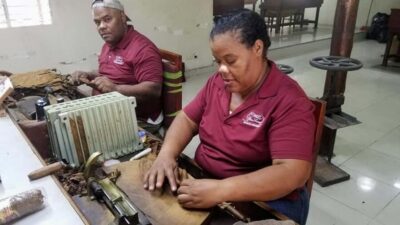
Shopping Tour In Don Lucas Cigar Factory, Rum tasting, Cocoa factory, Souvenirs
Read our review →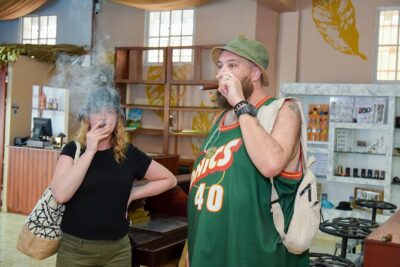

Guided Shopping Tour – Rum tasting, chocolate factory, Cigar factory
Read our review →Browse the lists this tour appears in