
Reviewed · DOMINICAN REPUBLIC RUM & MAMAJUANA TASTINGS
San Pedro De Macoris: Ron Barcerló Rum Factory Tour
Ron Barceló’s factory tour takes you beyond a tasting room and into the working parts of rum production. You’ll see aging warehouses, barrel preparation, tank filling, bottling, packaging, and a small museum that explains how the company grew.
I like the behind-the-scenes factory access, especially the barrel workshop and aging cellar. I also like the good-value tasting, with Añejo and Imperial options and, on some visits, three rums to sample. The main catch is transport: the factory is outside the city, and the entrance can be hard to find without Google Maps.
In This Review
- Key points to know before you go
- What makes the Ron Barceló factory visit worthwhile
- Arriving at the San Pedro de Macorís factory
- Following sugar cane from field to bottle
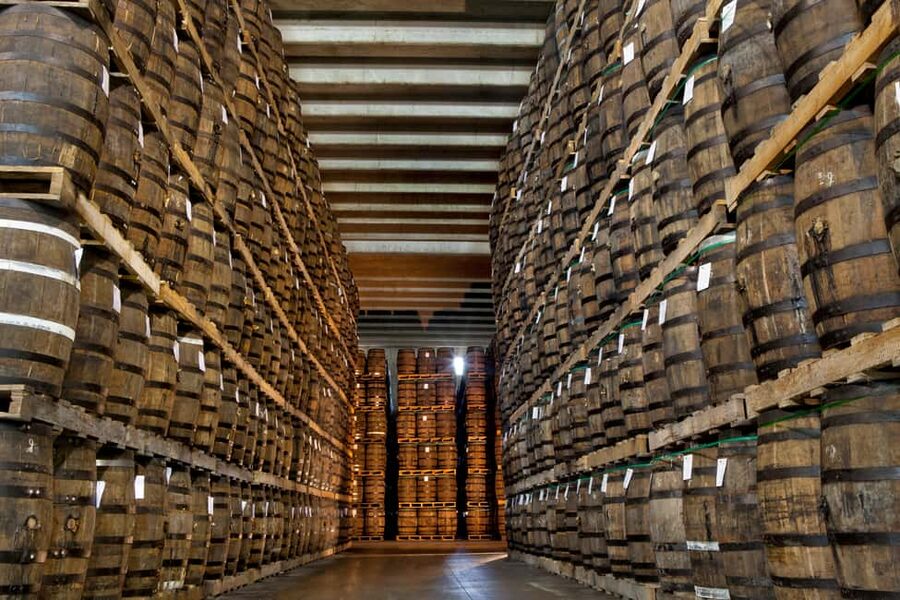
- Inside the aging cellar
- Seeing how the barrels are prepared
- Tank filling, bottling, and packaging
- The Historic Center Barceló and rum museum
- Tasting Añejo and Imperial rum
- Guides, languages, and group size
- Who should book this tour
- Price, timing, and practical value
- Should you book the Ron Barceló factory tour?
- FAQ
- Where is the Ron Barceló factory tour held?
- How long does the tour last?
- What rum is included in the tasting?
- Is transportation included?
- What should I wear?
- Which languages are available?
Key points to know before you go
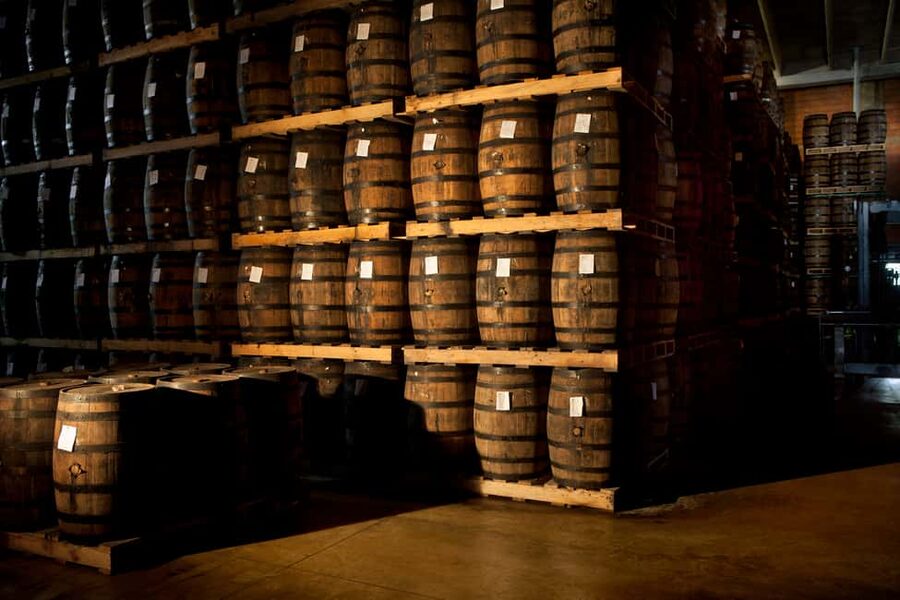
- Barrel aging is the heart of the tour: See stored barrels and learn about evaporation as rum matures.
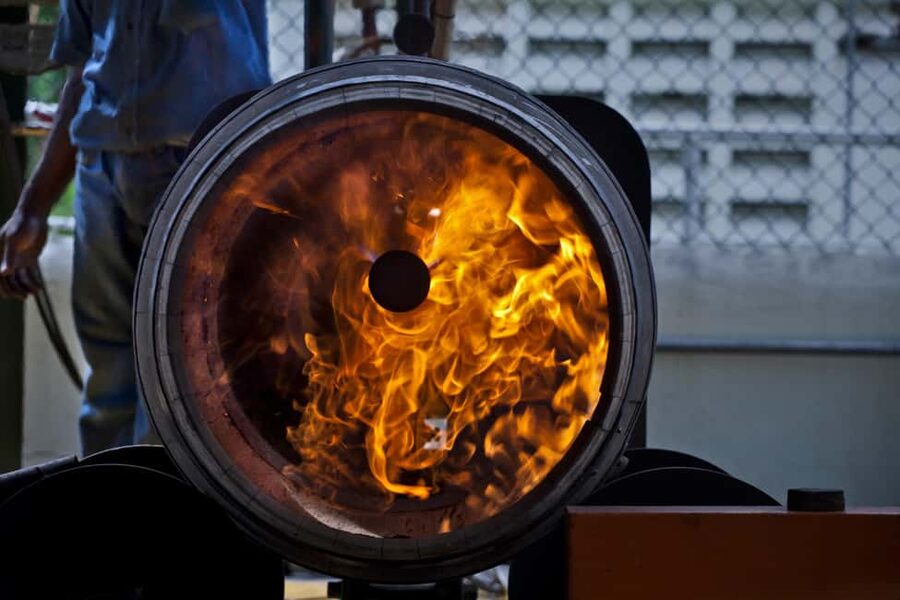
- The barrel workshop adds useful detail: Watch how barrels are scraped and burned before they hold rum.
- The Historic Center Barceló includes a museum: A short film and displays explain the company and rum-making process.
- The tasting can be the highlight: Choose the standard option or the 90-minute Imperial experience in the aging cellar.
- Transport needs planning: The meeting point is at Ron Barceló, San Pedro de Macorís 21000, not in the main tourist zone.
- Closed-toe shoes are required: You’ll also need to climb a 25-step staircase.
What makes the Ron Barceló factory visit worthwhile
A rum factory tour can easily become a quick walk past shiny bottles followed by a sales pitch. Ron Barceló gives you more substance than that. The visit moves through actual production areas, so you can connect the finished drink in your glass with the work behind it.
You’ll learn about sugar cane harvesting, distillation, aging, and bottling. The tour also covers older and newer production methods, which helps explain why rum is not simply a sweet spirit poured into a barrel and forgotten.
I especially like the way the tour includes the less glamorous steps. The barrel workshop, tank filling area, and packaging line show how much preparation happens before the tasting. That makes the final sip more interesting, even if you are not already a rum enthusiast.
The experience lasts about one hour on the standard route. The Imperial option takes about 90 minutes and includes a more focused tasting inside an aging cellar. That longer format makes sense if you want to spend more time learning how to assess premium rum rather than simply sampling it.
More rum and mamajuana tastings:
- 101 Oliver Rum Tasting & Pairing And Taino Concept Store
★ 5.0 · 244 reviews - Punta Cana Buggy with Cave Dip, Mamajuana Tasting & Macao Beach
★ 4.5 · 233 reviews - Punta Cana Oliver & Oliver Rum Tasting & Taino Concept Store
★ 4.6 · 146 reviews
Arriving at the San Pedro de Macorís factory
The meeting point is Ron Barceló in San Pedro de Macorís, Dominican Republic, at approximately 18.5423793, -69.3855809. The supplied location information also places the activity in La Altagracia, so check your booking details carefully, but the stated factory address and meeting point are in San Pedro de Macorís.
This is not the kind of attraction you should expect to find by casually walking down a marked street. One visitor found that Google Maps was needed because there were no useful signs pointing to the factory. Set your route before leaving, and do not assume a taxi driver will know the exact entrance without the address or coordinates.
Transportation to and from the factory is not included. If you are staying in San Pedro de Macorís and traveling independently, arrange your return ride before the tour starts. The site is in a remote location, and finding a ride after the visit may take time. The staff can help with transportation, but you will have an easier day if you plan this part in advance.
Plan on showing a passport or ID card. You also need closed-toe shoes. Sandals, flip flops, and high heels are not allowed, and you must climb a 25-step staircase during the visit. Those rules are easy to handle, but they are worth knowing before you arrive in beach footwear.
Following sugar cane from field to bottle
The tour begins with the wider rum-making story. Sugar cane is harvested, processed, and turned into the base used for distillation. Your guide explains the main stages rather than leaving you to guess what each tank or pipe does.
This part is useful because it sets up the rest of the visit. Rum styles depend on choices made throughout production, including distillation, barrel selection, aging time, and blending. You do not need technical knowledge to follow the presentation, and the multilingual guide keeps the explanations accessible in English, French, Spanish, German, or Italian.
The guides are a real part of the experience. Juan Carlos led one English-language tour and covered the company’s background along with the production areas. Luis answered questions clearly during another visit, while Leonardo led a French-language tour. You can request a language when booking, though the available guide depends on the schedule.
A small group is available, which is worth choosing if you prefer to ask questions. Factory tours are much better when you can hear the guide and stop for a closer look instead of being pushed along in a large crowd.
Inside the aging cellar
The aging cellar is where the process begins to feel distinctly like rum rather than general factory work. Rows of barrels show how the spirit rests and develops over time. The guide also explains evaporation, the natural loss of liquid that occurs as rum ages.
That lost portion is sometimes called the angels’ share in rum-making. The supplied tour details specifically point out the evaporation process, so listen for how it affects the final product. It is a small physical detail with a large effect on flavor, concentration, and production cost.
The standard route lets you visit the aging cellar as part of the factory walk. The Imperial option gives the cellar a larger role, with the premium tasting held inside the aging area and a private guide explaining how to appreciate the rum.
I would choose the Imperial version if you already enjoy aged spirits or want a slower tasting. The regular tour is enough for a first introduction, especially if you are more interested in the complete production line than in a detailed tasting lesson.
The cellar may also be the coolest and most atmospheric stop, but remember that factory surfaces can be uneven or industrial. Closed-toe shoes are not just a rule for appearance. They are the sensible choice for the whole visit.
More things to do around La Romana and Bayahibe:
- Saona Island: Beach & Natural Pool Small-Group Tour w/ Lunch
★ 4.7 · 633 reviews - Saona Island small group and relax – luxury catamaran
★ 5.0 · 605 reviews - Punta Cana: Saona Island and Altos de Chavón Day Trip
★ 4.3 · 340 reviews - From Punta Cana: Saona Island & Altos de Chavon Day Trip with Lunch and Open Bar
★ 4.0 · 332 reviews
Seeing how the barrels are prepared
The barrel workshop is one of the most unusual parts of the tour. Before barrels hold rum, they are prepared by scraping and burning. The process changes the inside of the wood and helps shape the character the rum gains during aging.
This stop gives you something concrete to look at. A museum display can explain that wood matters, but seeing the preparation makes the point faster. The condition of the barrel, the treatment of its interior, and its time in the cellar all play a role in the spirit’s final profile.
The workshop also adds balance to the tour. You are not only shown the finished premium bottle. You see a practical piece of production that requires skilled manual work before the rum can begin aging.
Factory operations can vary by season and schedule. One visit took place when the bottling plant was closed, though the rest of the tour still ran and included the tasting. If seeing active bottling is especially important to you, confirm the expected production schedule before booking.
Tank filling, bottling, and packaging
After the cellar and barrel areas, the tour moves through the steps that prepare the rum for sale. You may see tank filling, bottling, and packaging, depending on what is operating that day.
The tank filling operation shows the scale of the work. The aging cellar is slow and patient, while these later stages are about consistency, handling, and getting the product into its final form.
The bottling and packaging areas help answer a common question: how does a product made in barrels become the neat bottle you see in shops? You can follow that change directly, from stored spirit to labeled package.
Do not treat the factory floor like a guaranteed show. Production lines sometimes pause, especially around holidays or seasonal shutdowns. The tour still has value when one area is inactive because the barrel storage, workshop, museum, and tasting remain central parts of the visit.
The Historic Center Barceló and rum museum
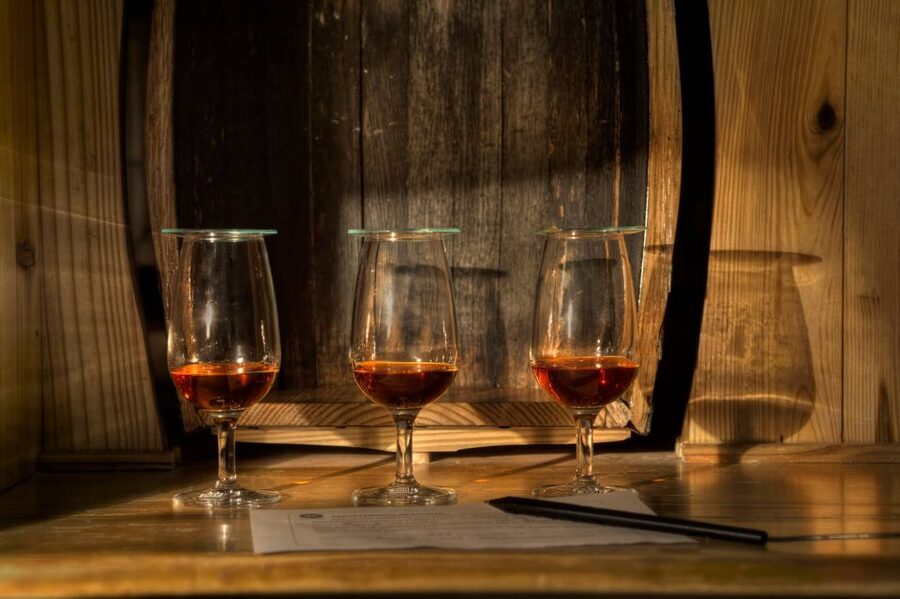
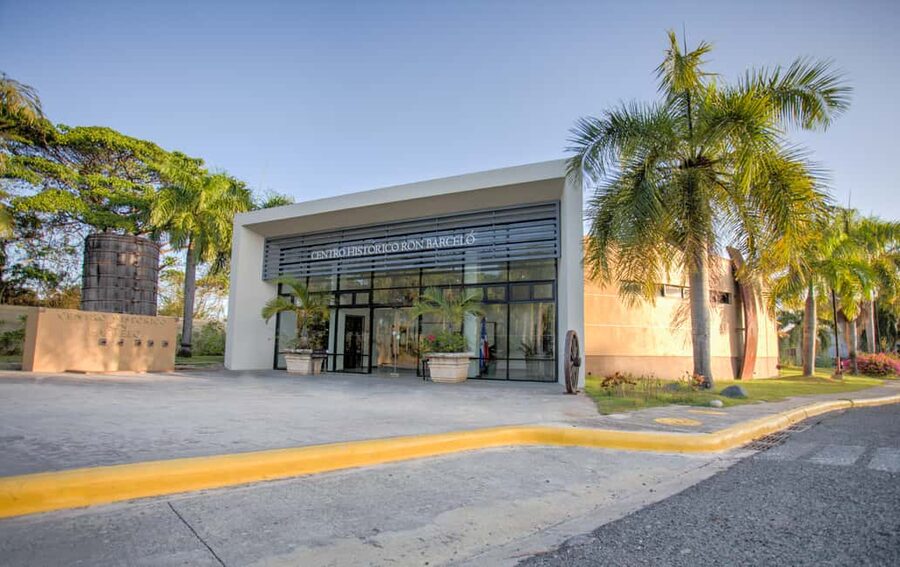
The Centro Histórico Ron Barceló, or Historic Center Barceló, is presented as the first center of its kind in the Dominican Republic. It gives the factory visit a cultural layer instead of making it only a production walk.
Inside, you’ll find a museum about the history of rum and the company. A video provides more detail after the factory portion, and the displays help put the equipment and barrels into context.
The museum is small, but that is not a weakness for a one-hour tour. You can take in the main story without spending half a day reading wall panels. I would treat it as a useful final chapter, especially if the machinery and production explanations moved quickly.
The center also includes the visitor area, tasting bar, and souvenir shop. This is where the tour shifts from how rum is made to how it is presented and enjoyed.
Tasting Añejo and Imperial rum
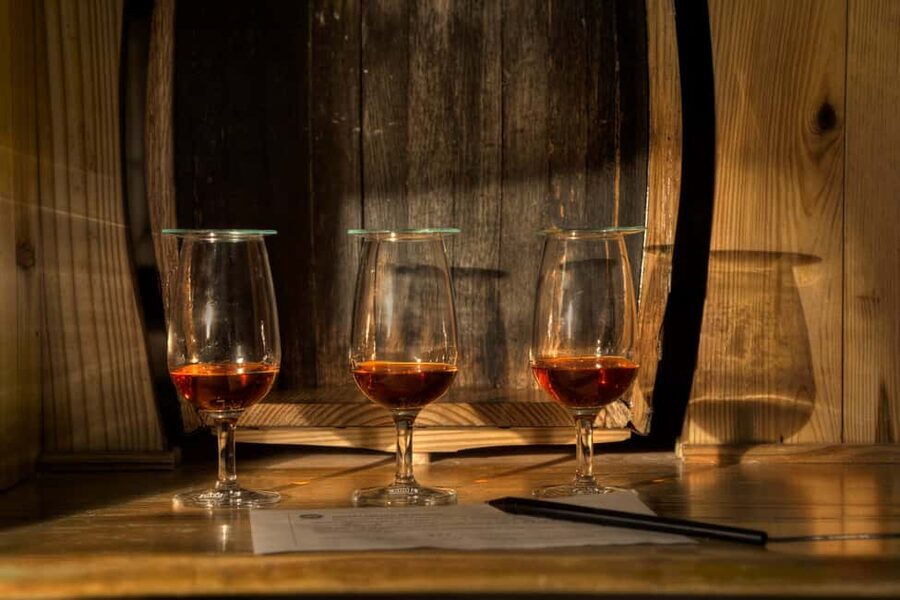
The tasting is included, but the exact selection can depend on the option you book. The standard experience includes Añejo rum tasting, while the Imperial option focuses on Barceló Imperial Rum. The included information also lists Imperial tasting, and one visit included three different rums.
That means you should read the selected tour option carefully rather than assuming every booking has the same tasting format. The standard route is a straightforward introduction. The Imperial route gives you more time and a private guide inside the aging cellar.
A good tasting should make you slow down. Notice the color, smell, sweetness, warmth, and finish before taking another sip. You can ask the guide how to compare the rums and what makes an aged rum different from a younger style.
The tasting is a strong value at $20 per person. You are paying for a guided factory visit, the Historic Center, and rum samples, not just a small pour at a bar. If you are near San Pedro de Macorís and can manage your own transportation, the price is modest for the amount of access provided.
The souvenir shop is another practical benefit. Ron Barceló products are sold there, and prices may be lower than in other places. If you want to take home a bottle or buy branded merchandise, compare the shop’s prices before purchasing elsewhere.
Drink responsibly, especially if you are driving back to your hotel. The staff may offer additional samples for purchase, but those are separate from the included tasting.
Guides, languages, and group size
The tour is offered in English, French, Spanish, German, and Italian. That range is helpful in the Dominican Republic, where visitors often arrive with different language needs in the same group.
Guide quality can shape a factory tour. Juan Carlos brought humor and clear company information to an English-language visit. Luis was able to handle detailed questions, and Leonardo led a smooth French-language experience. These names are useful to know, but guide assignments can change.
A small group is available. I would choose it if the price difference is reasonable because factory tours involve machinery, distant displays, and occasional background noise. Smaller groups also give you more room to ask about barrel aging, production methods, or the differences between Añejo and Imperial rum.
The standard visit runs from about 60 to 90 minutes, depending on the option and pace. That makes it easy to fit into a day around San Pedro de Macorís, but the transport time to and from the factory must be added separately.
Who should book this tour
I recommend the experience to rum drinkers, anyone curious about food and drink production, and visitors looking for something beyond a resort schedule. You do not need to be an expert. The tour explains enough of the process to give a first-time rum drinker a useful framework.
It also works well for families with older children who can manage the staircase and follow a tasting-focused visit. Children may appreciate the machinery and museum, though the main payoff is clearly for adults.
The tour is less suitable if you want a polished city attraction with easy public transport. It is also not ideal if you cannot climb 25 steps or if you plan to arrive in sandals. The factory setting is practical and working, not designed as a grand historic monument.
I would select the standard tour for a compact introduction and the Imperial option for anyone who cares about tasting technique, premium rum, or extra time in the aging cellar.
Price, timing, and practical value
At $20 per person, the standard tour offers solid value. You get a guide, access to the Historic Center Barceló, the factory route, and rum tasting. Transportation and food are not included, so the final cost depends on how you reach the site and where you eat afterward.
The 90-minute Imperial option may be worth the extra time if its price fits your budget. The private guide and cellar tasting make it more than a longer version of the same walk. If your schedule is tight, the standard tour covers the main production stages in about an hour.
Free cancellation is available up to 24 hours before the start time, and you can reserve now and pay later. Those terms help if your Dominican Republic plans are still shifting, but you should still confirm the available start time before arranging transport.
Should you book the Ron Barceló factory tour?
Book it if you want a reasonably priced look at real rum production, a useful museum stop, and a tasting that goes beyond a single casual drink. The barrel workshop, aging cellar, and multilingual guides give the visit more substance than a basic brand presentation.
I would not book it without sorting out transportation first. The remote location and limited signage are the main practical drawbacks. Wear closed-toe shoes, allow time for the 25-step staircase, and check whether the bottling plant is running on your chosen date.
For a first visit, the standard tour is enough. For serious rum fans, choose the Imperial option and spend the extra time in the aging cellar. Either way, $20 is a fair price for a factory visit that shows you how Dominican sugar cane becomes a finished bottle.
FAQ
Where is the Ron Barceló factory tour held?
The meeting point is Ron Barceló, San Pedro de Macorís 21000, Dominican Republic. The coordinates provided are 18.5423793, -69.3855809.
How long does the tour last?
The experience lasts about one hour to 90 minutes. The Imperial option is the longer 90-minute visit.
What rum is included in the tasting?
The activity includes an Añejo rum tasting and an Imperial rum tasting. The exact tasting format depends on the option selected, and one tour included three different rums.
Is transportation included?
No. Transportation to and from Centro Histórico Ron Barceló is not included. The factory is in a remote location, so arrange your return ride in advance.
What should I wear?
You need closed-toe shoes. High heels, sandals, and flip flops are not allowed. You also need to climb a 25-step staircase.
Which languages are available?
Live guides are available in English, French, Spanish, German, and Italian. Small-group tours are also available.
Just added around La Romana
- Catalina Island with Altos de Chavon – Full Day All Inclusive★ 4.5 · 6 reviews
- Saona Bayahibe Island Day Trip★ 5.0 · 6 reviews
- Punta Cana: Saona Island Speedboat and Catamaran Tour★ 4.1 · 6 reviews
- Private Punta Cana Airport Transfer Service To/From Bayahibe hotels★ 4.5 · 7 reviews
- Bayahibe: Whale-Watching Cruise & Cayo Levantado Day Trip★ 4.1 · 7 reviews
- From Santo Domingo – Punta Cana: SAONA ISLAND Food & Drinks★ 4.5 · 7 reviews
- Bayahibe: Scuba Diving Initiation by Go Dive Bayahibe★ 4.9 · 7 reviews
- Private Transfer Punta Cana Airport to/from Dreams Dominicus La Romana★ 5.0 · 7 reviews
Dominican Republic Rum & Mamajuana Tastings, compared.
101 Oliver Rum Tasting & Pairing And Taino Concept Store
Read our review →
Punta Cana Buggy with Cave Dip, Mamajuana Tasting & Macao Beach
Read our review →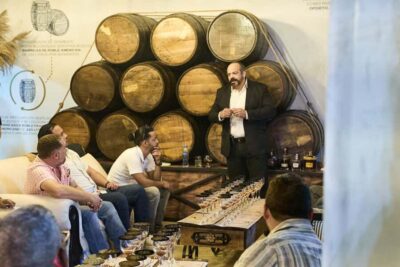
Punta Cana Oliver & Oliver Rum Tasting & Taino Concept Store
Read our review →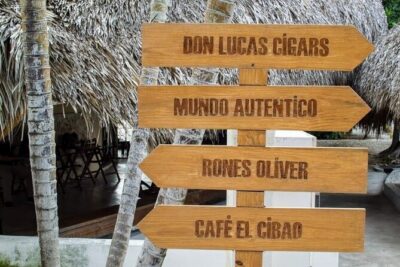
Don Lucas Cigar Factory & Store + Premium Rum Tasting (3 hours)
Read our review →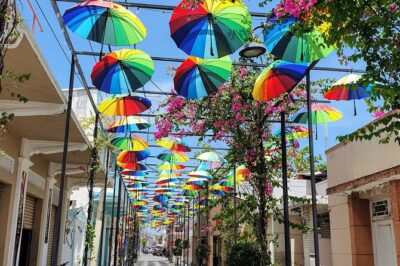
Puerto Plata Private City Tour with Mount Isabel & Rum &Chocolate
Read our review →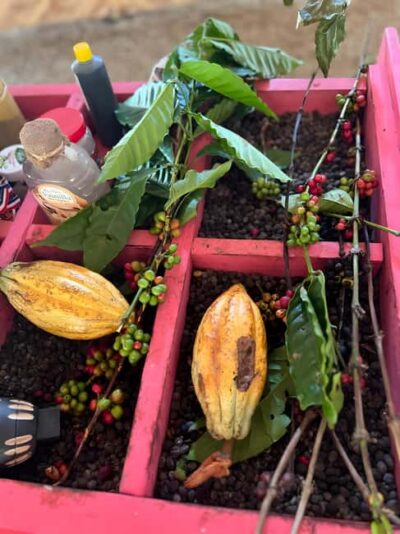
Buggy Tour in Punta Cana: Mamajuana – Coffee – Swimming in Cenote and Macao Beach
Read our review →
Browse the lists this tour appears in