
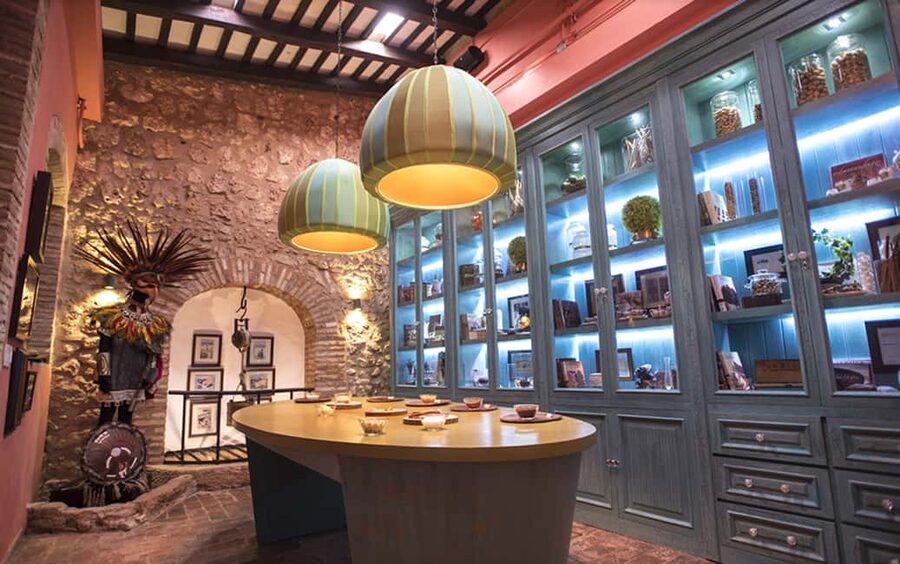
Reviewed · DESSERT TOURS
Santo Domingo: Chocolate Tour + Optional Workshops
Chocolate begins here with a cacao pod, a handful of beans, and plenty of work most candy bars hide. At KahKow Experience in Santo Domingo, you follow that path through a holographic theater, plantation display, fermentation room, sensory tasting, and a glass-walled factory area. The tour is short, lively, and built around participation rather than a long lecture.
I like the hands-on tastings, especially the chance to sample cacao fruit and identify chocolate ingredients with your senses. I also like the flexible format: the basic visit takes about 25 minutes, while an optional chocolate or soap workshop can stretch the experience to about 50 minutes. The main drawback is that the tour is brief, so serious chocolate fans may want more time with the production details.
- The Holographic Theater tells chocolate’s story from its origins to its arrival in Hispaniola and later spread around the world.
- A cacao plantation setting lets you taste fresh cocoa fruit, not just finished chocolate.
- The Fermentation Room explains a crucial hidden step in turning harvested cacao into quality beans.
- The Sensory Room makes you use all five senses before tasting different KahKow chocolate percentages.
- The Spanish Patio offers a view through glass of the machines used to make the final product.
- Optional workshops add a take-home activity, either your own chocolate bar or cacao butter soap.
In This Review
- Starting With Chocolate’s Long Journey
- Meeting Cacao in the Plantation Room
- Why Fermentation Changes the Bean
- Testing Your Five Senses
- Watching the Machines Through the Spanish Patio
- Adding the Chocolate Workshop
- Trying the Cacao Butter Soap Workshop
- Is $21 a Fair Price?
- Who Will Enjoy KahKow Experience Most?
- Practical Details Before You Go
- Should You Book This Chocolate Tour?
- FAQ
- Where does the Santo Domingo chocolate tour meet?
- How long does the KahKow chocolate tour last?
- What languages are available?
- What tastings are included?
- Can I make my own chocolate?
- Is the experience wheelchair and stroller accessible?
Starting With Chocolate’s Long Journey
KahKow Experience sits at Calle Las Damas 102 in Santo Domingo’s Colonial Zone, a handy address if you are already walking among the old city’s historic streets. You check in at the experience center, where the visit begins with the Holographic Theater.
This opening is more theatrical than a traditional museum introduction. Different chocolate-related figures appear as holograms and help tell the story of cacao from its earliest use through its arrival in Hispaniola. You also learn how cacao moved from the Caribbean to other parts of the world.
That geographic story gives the tour useful context. Chocolate did not simply appear as a finished sweet in a factory. It began as an agricultural product, and its quality depends on what happens long before grinding, mixing, and molding.
The theater is a good choice for the first stop because it gives you a simple framework for everything that follows. When you later see cacao fruit, fermentation boxes, and factory machines, you understand where each step fits.
The tour is offered in English, Spanish, French, German, and Russian. Since the experience starts every 11 minutes, you may not be tied to one large departure group. That setup can help keep the visit moving, although the exact pace may depend on the group ahead of you and the language you select.
Meeting Cacao in the Plantation Room
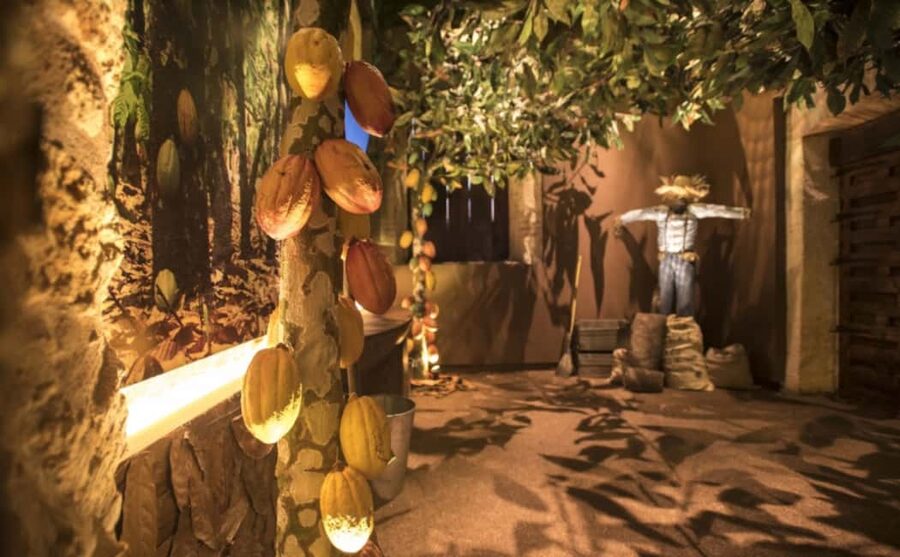
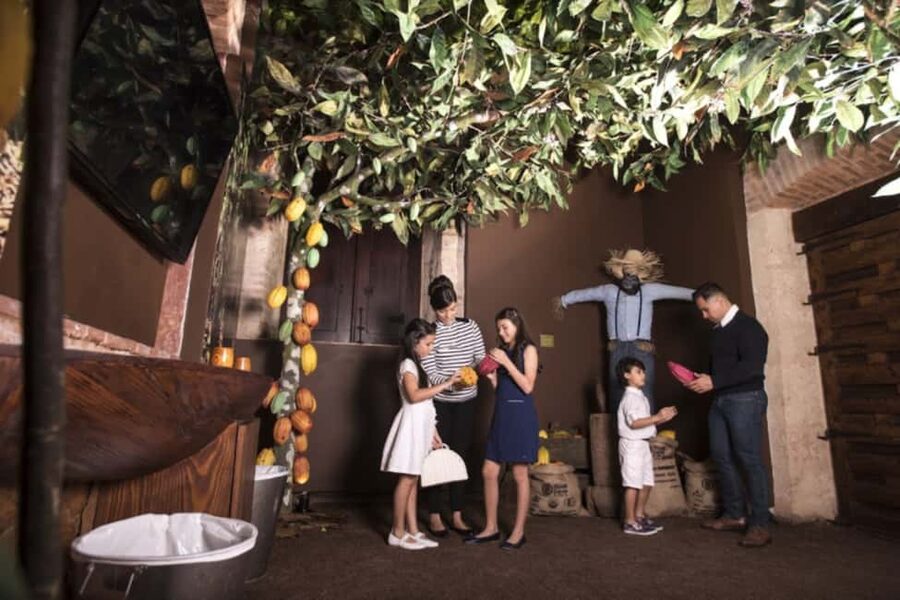
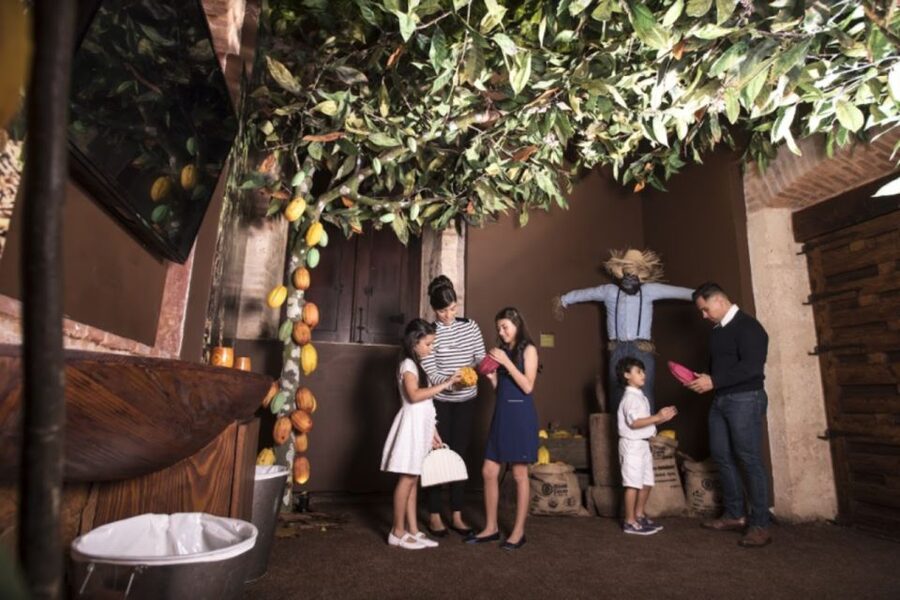
Next, you enter the Cocoa Plantation display. It is designed to feel like a forest, giving you a visual break from the theater and a clearer sense of where cacao grows.
The most useful part is the chance to sample cacao fruit. Many people know chocolate as a bar, drink, or dessert, but far fewer have tasted the fruit that surrounds the cacao beans. That contrast matters. The fresh fruit and the bitter beans are not the same experience as the sweet chocolate made later.
You also get a better feel for cacao as a crop rather than a factory ingredient. The pod is only the beginning. Workers must open it, separate the beans, and prepare them for the next stages before the beans are ready to become chocolate.
This section should appeal to families and curious eaters because it asks you to look and taste instead of simply listen. It is also a useful stop for anyone interested in food production, farming, or Dominican products.
The plantation area is a recreated setting, not a visit to an outdoor cacao farm. Keep that distinction in mind when you plan your day. You will learn about cacao growing and handle the product, but this short tour does not replace a full agricultural visit in the countryside.
More things to do in Santo Domingo:
- Full-Day Santo Domingo City Tour from Punta Cana
★ 4.5 · 4,500 reviews - Day Trip to Santo Domingo from Punta Cana
★ 3.5 · 659 reviews - Punta Cana: Santo Domingo Day Trip with Tickets and Lunch
★ 3.8 · 584 reviews
Why Fermentation Changes the Bean
The Fermentation Room covers one of the least visible but most important stages of chocolate making. Your guide explains how cacao beans are fermented and dried, and why those steps affect the quality of the final chocolate.
This is where the tour moves beyond a simple candy tasting. Fermentation helps develop the flavors associated with good chocolate, while drying prepares the beans for later processing. If you have ever wondered why cacao beans do not taste like a chocolate bar straight from the pod, this room supplies the missing explanation.
I appreciate this part because it shows that chocolate quality is not created by one machine at the end of the line. Careful handling begins after harvest. The treatment of the beans influences what you taste later in the Sensory Room.
The presentation is likely to be fairly quick because the whole basic experience lasts only about 25 minutes. You will receive the main idea rather than a long technical lesson on temperature, timing, or bean chemistry. That is enough for a first introduction, but visitors seeking production science may find the explanation too light.
Testing Your Five Senses
The Sensory Room is the most interactive part of the standard tour. You are challenged to identify the ingredients that make up chocolate by using sight, smell, taste, touch, and hearing.
This changes the mood from classroom lesson to game. You have to make guesses, and the reward for getting them right is a tasting of different KahKow Organic Chocolate percentages. That tasting helps you notice how chocolate changes as the proportion of cacao changes.
The exercise is valuable because it slows you down. Instead of eating chocolate as a quick sweet, you pay attention to flavor and texture. Even a short tasting can help you understand why two chocolate bars made from similar ingredients may taste quite different.
The tasting is also one of the clearest reasons the $21 price feels reasonable. You are not only looking at displays. You are handling cacao, sampling the fruit, testing ingredients, and trying several chocolate percentages.
Food and drinks beyond the included tastings are not part of the activity. If you expect a meal, coffee, or a full dessert stop, plan to eat elsewhere. This is a chocolate education experience with samples, not a restaurant visit.
Watching the Machines Through the Spanish Patio
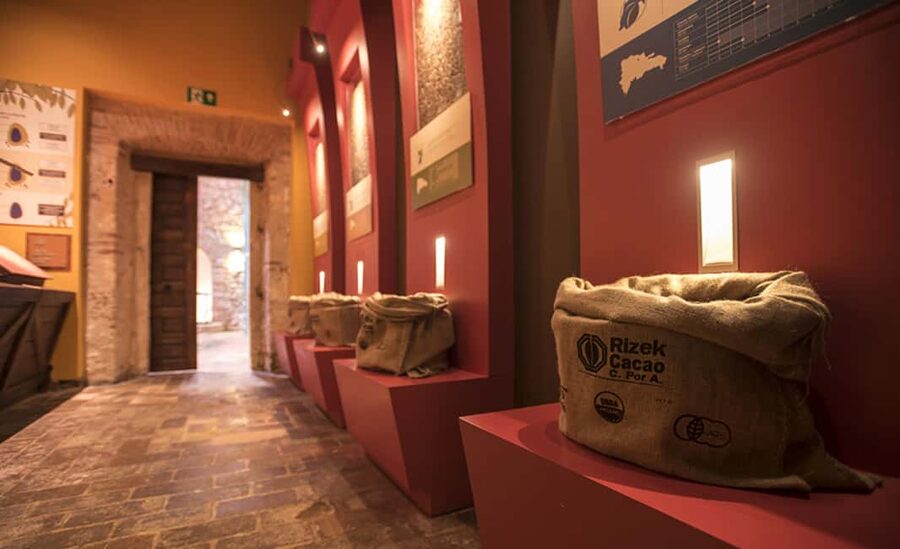
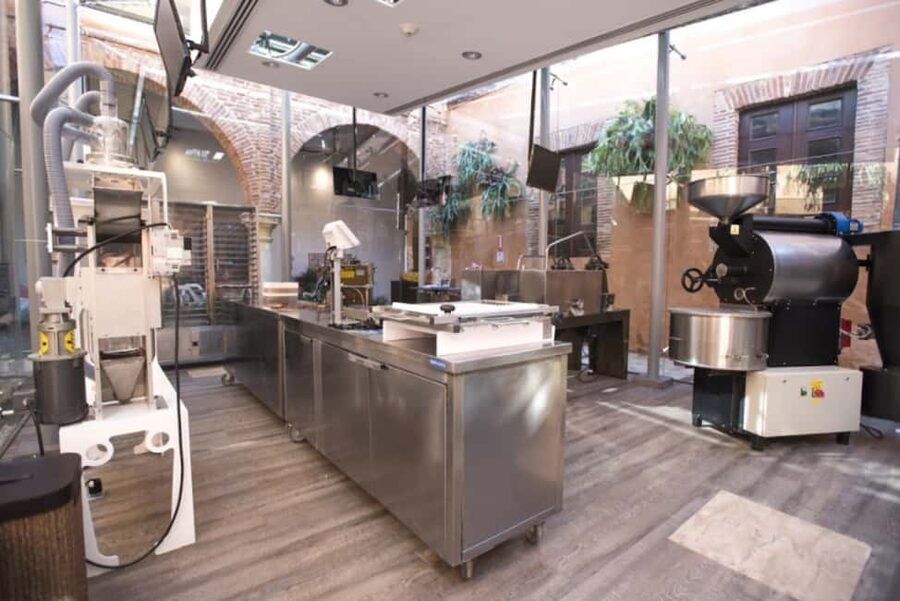
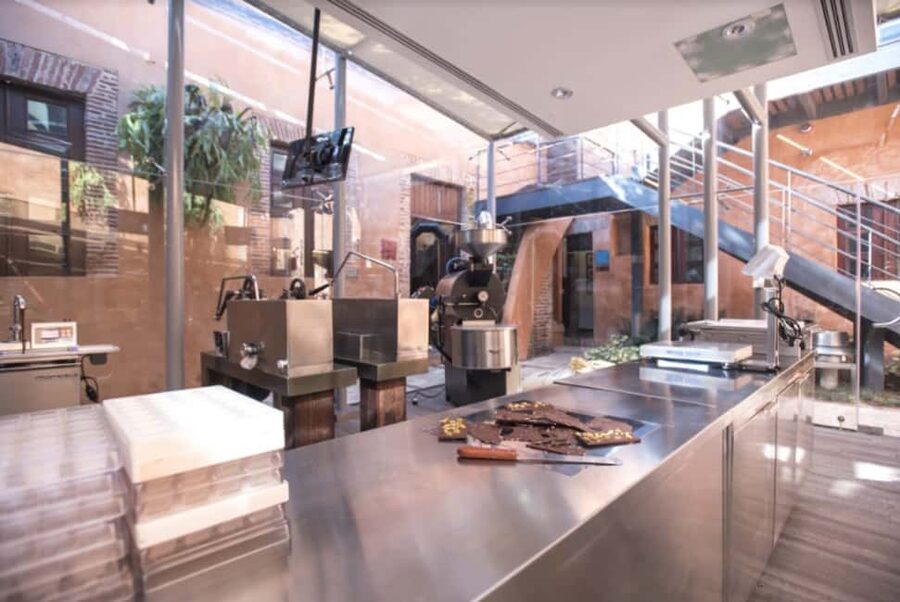
The final standard stop takes you to a glass box on the Spanish Patio. From there, your guide explains how the factory machines work and how cacao becomes the finished product.
The glass enclosure gives you a clear look at the production equipment without placing you inside the working machinery area. That is a practical design for a short public tour. You can see the equipment while the guide connects it to the earlier lessons about cacao fruit, fermentation, and drying.
This last explanation completes the chain. The theater covers the story, the plantation room shows the fruit, the fermentation room explains preparation, the Sensory Room focuses on ingredients and flavor, and the Spanish Patio shows production.
A factory view is especially useful if you want to understand how a local chocolate company turns Dominican cacao into a packaged product. It adds a sense of place that you would not get from a generic chocolate museum.
Do not expect a long industrial plant visit. The machines are explained through the glass, and the tour remains compact. The value comes from seeing how the parts connect, not from spending an hour studying each piece of equipment.
More chocolate and dessert stops in Santo Domingo:
- Zona Colonial: Recorrido Histórico con Chocolate y Mamajuana
★ 4.8 · 76 reviews - 4×4 Dominican Adventure with Chocolate and Coffee Tasting
★ 5.0 · 2,920 reviews - 4×4 ATV Experience, Water Cave, Chocolate and Coffee Tasting
★ 5.0 · 1,430 reviews - Buggy Adventure Tour with Chocolate and Coffee in Punta Cana
★ 5.0 · 953 reviews
Adding the Chocolate Workshop
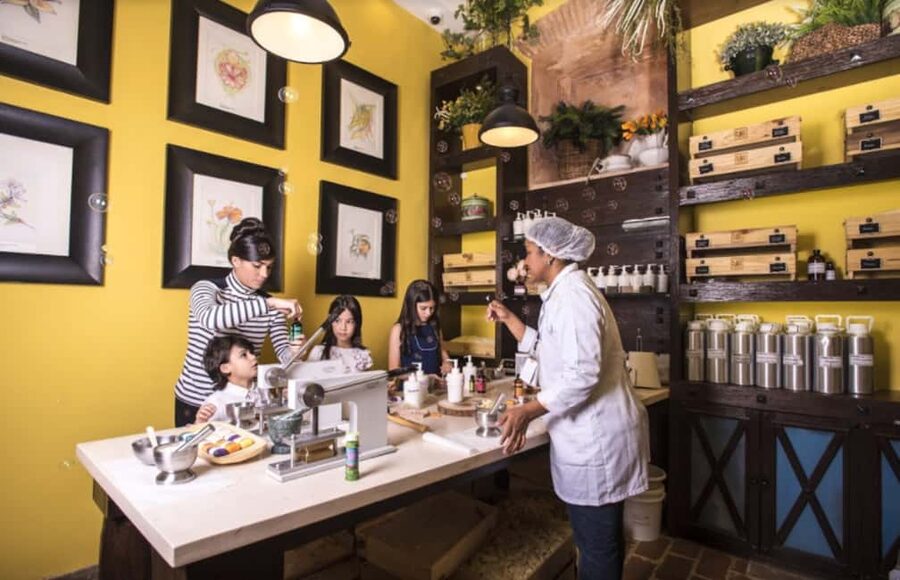
You can upgrade the visit with a Chocolate Workshop and make your own chocolate bar. This is the stronger add-on if you want a personal souvenir or a small activity to share with children.
The workshop gives the basic tour a clear finish. You learn where cacao comes from, see how it is processed, taste the finished product, and then create a bar of your own. The available information does not specify the exact ingredients, decoration choices, or size of the bar, so check the current option when booking if those details matter to you.
I would choose this workshop if you enjoy making things more than watching demonstrations. It also gives you something tangible to take away, unlike the standard tour, which centers on tastings and explanations.
The extra time matters. The basic visit is listed at about 25 minutes, while the full experience with an optional workshop can take up to 50 minutes. Allow enough room in your Colonial Zone schedule so you do not have to rush off halfway through the activity.
Trying the Cacao Butter Soap Workshop
The second add-on is a Soap Workshop. Here, you learn how to make your own soap using a cacao butter formula made by workers at La Esmeralda. You can add a preferred aroma for a more personal result.
This option makes sense if you want a less predictable souvenir. Chocolate workshops are an obvious fit for the subject, but soap shows another use for cacao by-products and cacao butter. It also gives you a different kind of craft activity.
Choose soap if you are more interested in a practical object than an edible one. The available details do not state how long the soap needs to set or how it is packaged, so ask the staff about taking it with you before you begin.
Both workshops are optional. You do not need to choose one to receive the interactive tour, cacao tasting, or chocolate tastings. That flexibility helps keep the base price low for people who want the story and samples without an added craft session.
Is $21 a Fair Price?
At $21 per person, the standard tour offers good value for a compact Santo Domingo activity. You receive a guided visit through several themed areas, cacao fruit and bean tastings, a sensory challenge, samples of different chocolate percentages, and an explanation of factory equipment.
The price works best if you value participation. A short walk through display cases would feel less convincing at this rate, but the tasting and sensory sections make the visit active. You are not simply reading about chocolate. You are tasting raw and finished forms and seeing how the production steps connect.
The main limit is time. Twenty-five minutes passes quickly, and the tour cannot cover every detail of cacao farming, trade, fermentation, roasting, grinding, and molding. You are paying for a polished introduction, not an advanced chocolate course.
The optional workshop may improve the value for families, couples, and anyone who likes souvenirs made during a trip. If you only want a quick educational stop, the standard visit should be enough. If you want a longer activity, budget for the workshop and plan for as much as 50 minutes.
A recent booking experience confirms one useful practical point: the tour starts on time. That matters when you are fitting KahKow between museums, the cathedral, and other Colonial Zone sights.
Who Will Enjoy KahKow Experience Most?
I would recommend this for anyone curious about Dominican cacao, especially if you have never seen how a cacao pod becomes chocolate. The mix of holograms, tasting, sensory games, and machinery makes it easier to follow than a long technical talk.
Families should find the short format manageable. Children can taste the fruit, guess ingredients, and make a chocolate bar or soap if you select a workshop. The start times every 11 minutes may also help if your day does not follow a strict schedule.
Food lovers will appreciate the post-harvest explanation. The fermentation and drying section gives you a better reason to pay attention to the flavor differences in the tasting.
It also suits visitors with limited time in Santo Domingo. Since the experience lasts 25 to 50 minutes and is located on Calle Las Damas, you can pair it with other Colonial Zone stops. Just remember that the tour itself does not include food or drinks beyond the stated tastings.
People with limited mobility can consider it as well. The activity is wheelchair accessible and stroller accessible. You will still want to confirm any personal requirements with the provider before arrival, but the listed access details are encouraging.
You may want a different activity if you are looking for a full cacao plantation visit, a long factory tour, or a sit-down chocolate meal. KahKow gives you a compact overview in an urban setting.
Practical Details Before You Go
Bring a passport or ID card, as requested for the experience. The meeting point is Kahkow Experience, Calle Las Damas 102, Santo Domingo 10210, Dominican Republic, at approximately 18.473435, -69.882678.
The tour is guided and available in English, Spanish, French, German, and Russian. Check the available starting times when you book, since departures are arranged every 11 minutes rather than around only a few fixed sessions.
The activity permits free cancellation up to 24 hours before the start time for a full refund. You can also reserve and pay later, which is useful if your Colonial Zone plans may change.
Because the standard visit is short, arrive ready to move from room to room. Comfortable clothing is sensible, though no special equipment is listed. If you select a workshop, allow extra time beyond the basic 25-minute visit.
The experience provider is Kahkow Experience. The current overall score is 4.5 from 60 ratings, and the strongest practical praise centers on the tour starting on time, explaining cacao growing and production clearly, and offering the chance to make and buy chocolate products.
Should You Book This Chocolate Tour?
Book it if you want an affordable, central, and hands-on introduction to Dominican chocolate. The best parts are the cacao fruit tasting, the sensory challenge, and the clear explanation of fermentation, followed by a view of the machines that finish the job.
Choose the Chocolate Workshop if you want an edible souvenir, or the Soap Workshop if you prefer a cacao butter craft with a selected aroma. Skip the add-on if you only need a quick activity between Colonial Zone sights.
At $21, the standard tour is a sensible buy for first-time chocolate visitors, families, and food-focused sightseers. Go in expecting a brisk 25-minute introduction, not a full farm-to-bar course, and you should get a pleasant, useful look at how cacao becomes chocolate in Santo Domingo.
FAQ
Where does the Santo Domingo chocolate tour meet?
The meeting point is Kahkow Experience at Calle Las Damas 102, Santo Domingo 10210, República Dominicana. The listed coordinates are 18.473435, -69.882678.
How long does the KahKow chocolate tour last?
The standard interactive tour lasts about 25 minutes. If you add the Chocolate Workshop or Soap Workshop, the full experience can last up to 50 minutes.
What languages are available?
The live tour guide service is available in English, Spanish, French, German, and Russian.
What tastings are included?
The experience includes a cacao bean tasting, samples of cacao fruit, and the chance to taste different KahKow Organic Chocolate percentages during the Sensory Room activity.
Can I make my own chocolate?
Yes. If you choose the optional Chocolate Workshop, you can create your own chocolate bar.
Is the experience wheelchair and stroller accessible?
Yes. The activity is listed as wheelchair accessible and stroller accessible.
Just added around Santo Domingo
- Cumayasa Private Buggies Tour from Santo Domingo★ 3.5 · 6 reviews
- Hiking and Hidden River Tour in Santo Domingo★ 5.0 · 6 reviews
- Santo Domingo Day Trip From Punta Cana★ 3.5 · 6 reviews
- Half Day Comatillo Off-Road Experience★ 5.0 · 6 reviews
- Santo Domingo Tour From Punta Cana – Zona Colonial, Los Tres Ojos★ 3.0 · 6 reviews
- Historical Tour in the Colonial City of Santo Domingo★ 4.5 · 6 reviews
- Roundtrip Private Transfer from Santo Domingo Airport (SDQ)★ 3.0 · 6 reviews
- Extreme Dune Adventure Buggy Bayahibe Beach & River★ 4.6 · 7 reviews
Dessert Tours, compared.
4×4 Dominican Adventure with Chocolate and Coffee Tasting
Read our review →
4×4 ATV Experience, Water Cave, Chocolate and Coffee Tasting
Read our review →
Buggy Adventure Tour with Chocolate and Coffee in Punta Cana
Read our review →
Buggy Ride Into the jungle with cave coffee & chocolate tasting
Read our review →
Road Off Half Day Buggy with Chocolate and Coffee Tasting
Read our review →
ATV Adventure w/ Chocolate, Coffee & Cave Swim in Punta Cana
Read our review →
Puerto Plata Private City Tour with Mount Isabel & Rum &Chocolate
Read our review →
Browse the lists this tour appears in